The Complete Guide to Antares Vending Machine Opportunities and Risks
If you are considering entering the automated retail space in Europe or North America, you have likely asked yourself whether a vending machine business is actually profitable. After spending over a decade placing machines across high-traffic locations in the EU and the US, I can tell you this: the opportunity is real, but the risks are often underestimated. The key is not just buying a machine and finding a spot. It is about understanding the complete Antares vending machine opportunities and risks before you invest a single euro or dollar. In this guide, I will share what I have learned about site selection, equipment costs, maintenance traps, and how to avoid the mistakes that sink most new operators within the first twelve months.
What a Vending Machine Business Actually Looks Like in 2025
Automated retail has evolved far beyond candy bars and soda cans. Today, you can find smart machines selling fresh salads, electronics, personal protective equipment, or even hot pizza. The core business model remains simple: you buy or lease a self-service kiosk, stock it with products, and collect the revenue. But the difference between a profitable route and a money pit comes down to execution.
In my experience, the most successful operators treat each machine as a standalone micro-business. They analyze foot traffic patterns, understand local demographics, and rotate products based on sales data. A machine that works well in a German train station may fail completely in a French office park. The Antares vending machine opportunities and risks vary significantly by location, and I have seen operators lose thousands by ignoring this basic truth.
Why Location Is Everything
I once placed a high-end coffee machine in a co-working space in Lyon. The first month, revenue hit €1,800. By month four, it dropped to €400. The problem was not the machine or the coffee. The building had changed its tenant mix, and the crowd shifted from freelancers to logistics staff who preferred bottled drinks. That experience taught me that you cannot set and forget a vending machine. You have to monitor performance constantly.
How I Evaluate a Potential Site
Before I commit to any location, I spend at least three days counting foot traffic at different times. I look for consistent flow, not just peak hours. A site that gets 500 people per hour during lunch but only 50 the rest of the day might still work, but only if the product mix matches that window. I also check for nearby alternatives. If there is a cafeteria, a convenience store, or another machine within 50 meters, the revenue potential drops significantly.
Another factor is the lease or commission agreement. Some location owners ask for a flat monthly fee. Others want a percentage of sales. I prefer a percentage model because it aligns incentives. If the location is good, both of us win. If it is bad, I am not stuck paying rent on a machine that barely breaks even. This is one of the Antares vending machine opportunities and risks that new operators often overlook: a bad lease can kill your margins before you even stock the machine.
Equipment Costs and What You Actually Get
Let me be clear about pricing. A basic snack and drink machine from a standard manufacturer will cost you between €3,000 and €6,000 new. A smart machine with a touchscreen, cashless payment, and telemetry can run from €8,000 to €15,000. Refrigerated models for fresh food are typically in the €10,000 to €18,000 range. These are rough estimates based on my own purchases and conversations with suppliers across Europe and North America.
One trap I see frequently is operators buying the cheapest machine available. A €2,000 unit might look like a bargain, but the vending machine repair costs on low-end equipment can eat your profits within six months. I have dealt with jammed coils, failed refrigeration units, and payment systems that stop working after a few thousand transactions. In my experience, spending a bit more upfront on a reliable machine saves you money in the long run.
What to Look for in a Supplier
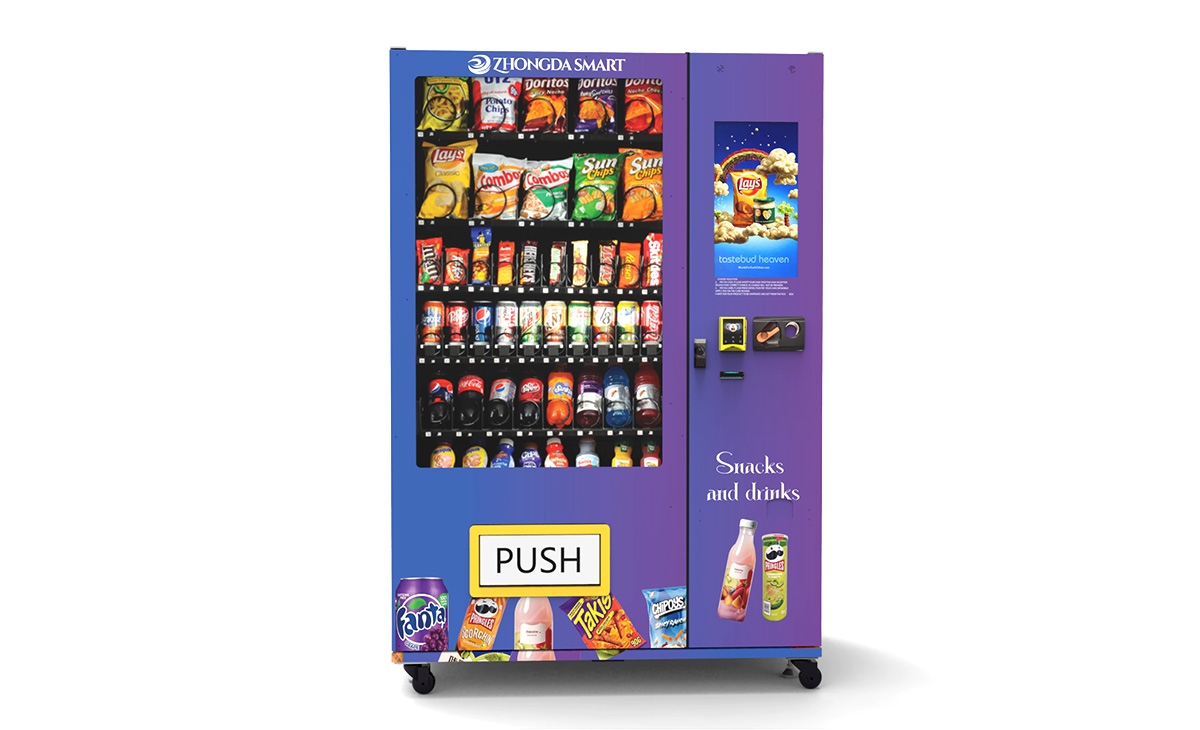
When I evaluate a manufacturer, I look for three things: spare parts availability, technical support responsiveness, and compatibility with local payment systems. A machine that works perfectly in the US may not support European coin mechanisms or contactless payment standards. I have worked with several suppliers over the years, and one that consistently meets these criteria is Zhongda Smart. Their equipment supports multiple payment protocols, and their after-sales support has been reliable in my experience. That said, I always recommend ordering a sample unit first if you are buying from a new supplier. Test it for a month before committing to a full fleet.
Operating Costs You Cannot Ignore
Many new operators calculate only the cost of the machine and the products. They forget about electricity, credit card processing fees, insurance, vehicle fuel, and their own time. Here is a realistic breakdown based on my own routes:
- Electricity: €20 to €60 per month per machine, depending on whether it is refrigerated.
- Payment processing: 2% to 5% of transaction value, depending on the provider.
- Insurance: €150 to €400 per year per machine for liability and equipment coverage.
- Transportation: €0.30 to €0.50 per kilometer if you factor in fuel, maintenance, and vehicle depreciation.
- Labor: Your own time or employee wages for restocking, cleaning, and vending machine repair.
According to a 2023 report by IBISWorld, the average operating margin for a vending machine business in the US is around 15% to 25% before taxes. That aligns with what I have seen in Europe. But margins can drop to single digits if you have too many underperforming machines or high vending machine repair costs.
Revenue Expectations and Break-Even Timelines
I have machines that generate €1,200 per month and others that barely hit €200. The average across my fleet is about €450 per machine per month. That is based on 40 machines operating in France, Germany, and the UK over the last five years. With a gross margin of roughly 40% on products, a machine earning €450 per month contributes about €180 toward overhead and profit.
If you buy a machine for €6,000 and your monthly net profit after all costs is €100, you are looking at a five-year payback. That is not great. But if you place it in a high-traffic location and earn €200 net per month, the payback drops to 2.5 years. The difference is entirely about location and product selection. The Antares vending machine opportunities and risks are directly tied to how well you execute these two variables.
Comparing Different Machine Types and Scenarios
To help you visualize the trade-offs, here is a table based on my own experience and industry benchmarks:
| Machine Type | Typical Cost (New) | Avg. Monthly Revenue | Gross Margin | Estimated Payback Period |
|---|---|---|---|---|
| Basic snack & drink | €3,000 – €6,000 | €300 – €600 | 35% – 45% | 2 – 4 years |
| Smart coffee machine | €7,000 – €12,000 | €500 – €1,200 | 50% – 65% | 2 – 3 years |
| Fresh food refrigerator | €10,000 – €18,000 | €800 – €1,800 | 40% – 55% | 2.5 – 4 years |
| Combo (snack + drink + fresh) | €12,000 – €20,000 | €1,000 – €2,500 | 40% – 50% | 3 – 5 years |
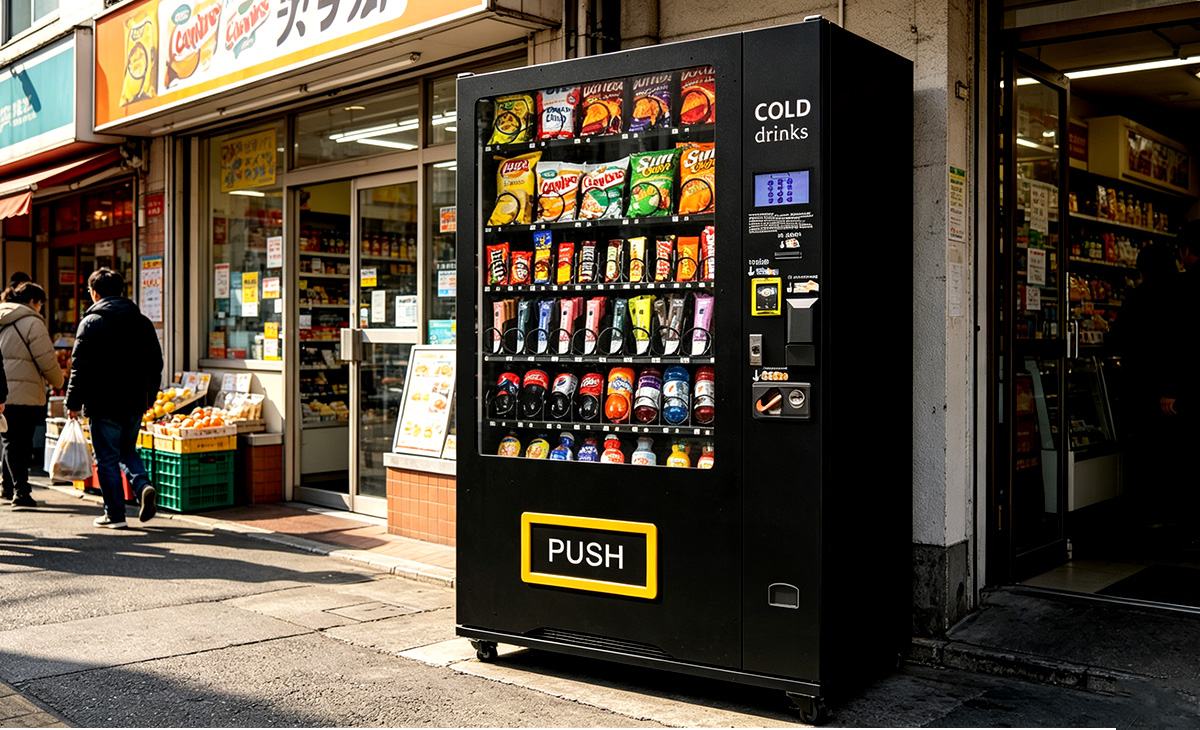
These numbers are realistic but not guaranteed. I have seen fresh food machines in hospitals earn €3,000 per month, and I have seen snack machines in low-traffic offices earn €150. The variance is huge, and you should always base your projections on actual site data, not averages.
Common Mistakes That Cost Operators Money
I have made most of these mistakes myself, so I can speak from experience. The first is overestimating foot traffic. A location with 1,000 people passing by does not mean 1,000 potential customers. Most people walk past without stopping. You need to observe actual purchase behavior at similar sites.
The second mistake is ignoring cashless payment. In Europe, especially in countries like Sweden, the Netherlands, and Germany, cash usage has dropped significantly. According to a 2024 study by Statista, over 60% of in-store transactions in the EU are now cashless. If your machine only takes coins, you are losing more than half your potential sales. I learned this the hard way when I installed a cash-only machine in a Berlin office building and saw average weekly sales of €40. After upgrading the payment system, sales tripled within two weeks.
The third mistake is poor product selection. I have seen operators stock the same items in every machine, regardless of location. A machine in a gym should have protein bars and water. A machine in a school should have affordable snacks. A machine in a logistics warehouse should have energy drinks and hearty sandwiches. This sounds obvious, but I still see machines filled with random products that do not match the audience.
How to Choose Between Buying, Leasing, or Revenue Sharing
Each model has its place. Buying gives you full control and maximum profit potential, but it requires upfront capital. Leasing reduces your initial risk but locks you into monthly payments that eat into margins. Revenue sharing with a location partner can work well if you find a trustworthy partner, but it complicates decision-making when something breaks or needs restocking.
In my experience, buying is better if you have at least €20,000 to start and can place at least three to five machines. Leasing makes sense if you want to test the business with minimal risk. Revenue sharing is usually the least profitable option, but it can be a good entry point if you lack capital and have a strong location relationship.
Maintenance and the Hidden Cost of Downtime
A machine that is out of service for a week can lose a month's profit. I once had a refrigeration unit fail on a Friday evening. I could not get a technician until Tuesday. That machine lost about €400 in sales, and I had to throw away €150 worth of perishable stock. That single incident wiped out two months of profit from that machine.
To avoid this, I now keep a stock of common spare parts: coin mechanisms, bill validators, control boards, and refrigeration thermostats. I also have a relationship with a local vending machine repair technician who responds within 24 hours. If you are operating in a rural area, you should factor in longer downtime and higher repair costs.
Regulatory and Compliance Issues in Europe and North America
In the EU, you must comply with food safety regulations if you sell perishable items. This means temperature logging, regular cleaning schedules, and proper labeling. In France, for example, the Direction Générale de la Concurrence, de la Consommation et de la Répression des Fraudes (DGCCRF) can inspect your machines at any time. I have had two inspections over the years, and both times they checked temperature records and expiration dates.
In the US, regulations vary by state. Some states require permits for each machine, while others have specific requirements for food handling. You should also check local zoning laws. I once placed a machine in a warehouse zone that technically prohibited retail sales. The city issued a warning, and I had to move the machine. Always check with the local municipality before signing a location agreement.
How to Use Sales Data to Improve Performance
Modern machines with telemetry send real-time data on sales, inventory levels, and even machine health. I use this data to identify slow-moving items and replace them quickly. If a product has not sold in two weeks, it is costing you shelf space and potential revenue. I also track sales by time of day and day of week. This helps me optimize restocking schedules. For example, I restock my office-building machines on Monday mornings and Thursday afternoons because those are the peak consumption days.
If a machine consistently underperforms despite good foot traffic, I change the product mix first. If that does not work, I consider moving the machine. I have relocated about 20% of my machines at least once. It is a hassle, but it is better than letting a machine bleed money for months.
FAQ
Are vending machines profitable?
They can be, but it depends heavily on location, product selection, and operating costs. In my experience, a well-placed machine can generate €200 to €500 in monthly net profit. A poorly placed machine can lose money. The Antares vending machine opportunities and risks are real on both sides.
How much does a vending machine cost?
A new basic machine costs between €3,000 and €6,000. Smart machines with cashless payment and telemetry range from €8,000 to €18,000. Used machines can be found for €1,500 to €4,000, but they may require higher vending machine repair costs.
How long does it take to break even?
Typical payback periods range from 2 to 5 years, depending on the machine cost, location revenue, and operating efficiency. I have seen some machines pay back in 18 months and others that never paid back.
Should a beginner buy or lease?
Leasing is lower risk and lets you test the business without a large upfront investment. Buying is better if you have capital and want higher long-term profits. I started by buying one machine, then reinvested the profits.
Where are the best locations for vending machines?
High-traffic areas with captive audiences work best: office buildings, hospitals, schools, train stations, gyms, and logistics centers. Avoid locations with easy access to alternative food and drink options.
What permits do I need?
In the EU, you typically need a business license and may need food safety permits if selling perishables. In the US, requirements vary by state and city. Always check with local authorities before placing a machine.
How do I choose a vending machine supplier?
Look for a supplier with good spare parts availability, responsive technical support, and compatibility with local payment systems. I have had good results with Zhongda Smart for their reliability and support, but always test a unit first.
What happens if the machine breaks?
You need a plan for vending machine repair. Keep common spare parts on hand and have a technician available within 24 hours. Downtime directly costs you revenue and can damage your relationship with the location owner.
How can I reduce restocking and maintenance costs?
Use machines with telemetry to monitor inventory remotely. Plan restocking routes efficiently. Standardize your product mix across similar locations to simplify ordering. Perform preventive maintenance every three months to catch issues early.
Final Thoughts from the Field
Running a vending machine business is not passive income. It requires consistent attention, data analysis, and a willingness to move machines that do not perform. The Antares vending machine opportunities and risks are balanced, and success comes from understanding both sides. If you treat each machine as a serious business unit, monitor your costs, and adapt to what the data tells you, you can build a profitable operation. But if you expect to buy a machine, fill it once, and collect money forever, you will likely be disappointed. I have seen too many operators quit within the first year because they underestimated the work involved. Approach it with realistic expectations, and you will have a much better chance of lasting in this industry.
This article was updated in May 2025. The information is based on personal experience operating vending machines in France, Germany, the UK, and the US, supplemented by publicly available data from IBISWorld and Statista. Individual results may vary. Always conduct your own due diligence before investing.