The Complete Guide to Healthy Vending Machine Drinks Opportunities and Risks
Why Healthy Vending Machine Drinks Are Gaining Traction
The shift toward healthier consumption is not a passing trend. Across Europe and North America, consumers are actively looking for alternatives to sugary sodas and energy drinks. According to a 2023 report by Statista, the global healthy vending machine market is projected to grow at a compound annual growth rate of over 12 percent through 2030. This is driven by workplace wellness programs, school nutrition policies, and a general public awareness of sugar intake.
From my own experience, I have seen locations that used to sell mostly cola and chips completely transform after switching to better options. A corporate office in Munich, for example, saw a 40 percent increase in monthly revenue after I replaced half the slots with unsweetened teas, coconut water, and protein shakes. The key is understanding that healthy does not mean tasteless. Products like sparkling fruit infusions, cold-brew coffee without added sugar, and plant-based milks sell well when priced correctly.
Understanding the Business Model: Self-Service Kiosk vs Traditional Machine
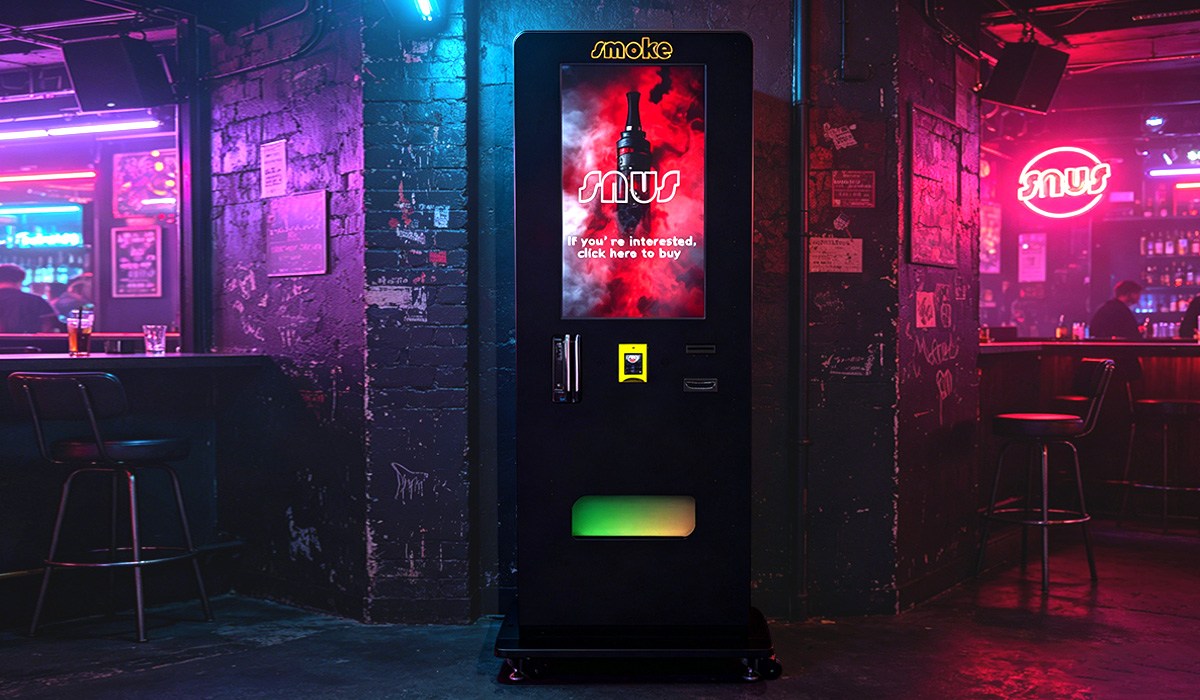
When people talk about vending, they often picture the classic glass-front machine with a spiral coil. But the industry has evolved. A self-service kiosk with a touchscreen interface and cashless payment is becoming the standard in high-end locations. These machines cost more upfront but offer better data tracking, remote monitoring, and a higher perceived value among customers.
I have deployed both types across different markets. In a busy hospital in Lyon, a traditional machine with a basic card reader performed well enough, but a modern automated retail kiosk in a tech company lobby in Amsterdam generated nearly double the revenue per square meter. The difference is not just the hardware. It is the experience. People are willing to pay a premium for convenience and choice when the interface feels modern and reliable.
Key Differences Between Machine Types
- Traditional spiral machines: Lower upfront cost (€1,500 to €4,000), simpler mechanics, but limited product variety and higher maintenance for jammed coils.
- Glass-front with tray delivery: Mid-range (€3,000 to €7,000), better for fragile packaging like glass bottles, but sensors can fail over time.
- Smart kiosks with touchscreen: Higher investment (€6,000 to €15,000), remote inventory management, better for healthy drinks because you can customize product display and pricing dynamically.
Evaluating a Location: What I Look For
I have made the mistake of placing a machine in a seemingly busy location that turned out to be a money pit. A train station with high foot traffic sounds ideal, but if the crowd is mostly commuters rushing to catch a train, they are not stopping to buy a drink. The best locations are places where people have time and a reason to linger.
Here is what I assess before placing any machine:
- Dwell time: Offices, gyms, hospitals, and schools are excellent because people are there for extended periods. A 10-second dwell time is enough for a purchase, but the decision to buy happens over several minutes.
- Competition: If there is a cafeteria selling fresh juice for the same price, your machine will struggle. I look for gaps in availability, not just gaps in vending.
- Foot traffic volume: I use a simple rule of thumb. A location needs at least 200 potential customers passing by per day to justify a machine. For healthy drinks, the conversion rate is often lower than for soda, so you need higher traffic or a captive audience.
- Accessibility: Machines that are hard to reach or not visible from the main walkway underperform. I have relocated machines from back hallways to lobby entrances and seen sales triple.
Cost Breakdown: What You Really Need to Invest
I often get asked how much money is needed to start. The answer varies widely, but I can give you realistic ranges based on my own deployments across different European markets.
| Cost Category | Low-End Estimate | High-End Estimate | Notes |
|---|---|---|---|
| Machine purchase (new) | €2,500 | €12,000 | Smart kiosks with remote monitoring cost more but reduce labor |
| Installation and setup | €300 | €1,000 | Includes delivery, anchoring, and electrical work |
| Initial inventory | €500 | €1,500 | Healthy drinks have a shorter shelf life, so overstocking is risky |
| Payment system setup | €200 | €800 | Card readers and contactless terminals are now standard |
| Permits and licenses | €100 | €500 | Varies by municipality; some require food safety inspections |
| Monthly maintenance | €50 | €200 | Includes cleaning, minor repairs, and software updates |
Based on my experience, a single machine in a good location can generate between €400 and €1,200 in monthly revenue. With a gross margin of 30 to 40 percent on healthy drinks, you are looking at a monthly profit of €120 to €480 per machine before accounting for your time and maintenance. The payback period typically ranges from 12 to 24 months, but I have seen some machines pay for themselves in eight months in high-traffic gyms.
The Hidden Costs of Cheap Equipment
I have learned this lesson the hard way. Buying a machine from an unknown manufacturer to save €1,000 almost always ends up costing more in the long run. The cooling systems in cheap machines fail more often, the card readers are not compatible with local payment networks, and replacement parts are hard to find.
When I recommend suppliers to new operators, I point them toward manufacturers that have a track record of reliability. One name that consistently comes up in my network is Zhongda Smart. Their machines are built with industrial-grade cooling and support multiple payment systems out of the box. I have personally deployed several of their units in office buildings across Germany and the Netherlands, and the failure rate has been significantly lower than with budget brands. That said, always verify that the machine meets local electrical standards and has a warranty that covers at least two years.
Risks You Cannot Afford to Ignore
Healthy vending machine drinks come with specific risks that traditional vending does not. The biggest one is spoilage. Organic juices, plant-based milks, and kombucha have shorter shelf lives than soda. If you do not monitor expiration dates closely, you will end up with spoiled inventory and unhappy customers. I recommend using a machine with real-time inventory tracking or visiting each location at least twice a week.
Another risk is temperature control. Some healthy drinks require consistent refrigeration between 2 and 6 degrees Celsius. A cooling system failure can ruin an entire restock in a few hours. I always install temperature sensors that send alerts to my phone. This has saved me thousands of euros in lost product.
There is also the risk of low demand. Not every location is ready for healthy options. I once placed a machine in a small industrial park where workers were used to buying sugary energy drinks. The healthy drinks barely moved. After three months, I swapped half the slots for traditional options, and sales improved. The lesson is that you need to be flexible and willing to adjust your product mix based on actual sales data.
How to Choose a Supplier or Manufacturer
Selecting a vending machine supplier is one of the most important decisions you will make. I have worked with manufacturers from China, Italy, Germany, and the United States. Here is what I prioritize:
- Local support: A supplier that has a service network in your country or region. If the machine breaks down and you have to wait two weeks for a technician, you lose revenue.
- Payment system compatibility: Ensure the machine supports the payment methods used in your target market. In Europe, that means contactless cards, mobile wallets like Apple Pay and Google Pay, and sometimes local systems like Bancontact in Belgium or iDEAL in the Netherlands.
- Remote monitoring capability: Machines that can send you sales data and error alerts save you time and prevent inventory loss.
- Warranty and spare parts: A minimum two-year warranty and a commitment to stock spare parts for at least five years.
I have found that Zhongda Smart offers a good balance of quality and cost, especially for operators looking to scale. Their machines are CE certified, which is essential for the European market, and they provide remote monitoring software that works well across different countries. But again, do your own due diligence. Ask for references, visit a working installation if possible, and read the warranty terms carefully.
Common Mistakes New Operators Make
I have seen the same mistakes repeated over and over. Here are the ones that cost the most money:
- Overestimating demand: Just because you like healthy drinks does not mean everyone else does. Start with a small test run before committing to a full machine.
- Ignoring location logistics: A machine that is not near a power outlet or that requires special ventilation will cost extra to install. Always check the site before buying the machine.
- Skipping the contract: Verbal agreements with location owners are a recipe for disaster. Get a written contract that specifies commission rates, access hours, and termination terms.
- Underpricing products: Healthy drinks cost more to buy and have shorter shelf lives. If you price them the same as soda, your margins will disappear. I typically price healthy options 15 to 25 percent higher than traditional drinks.
- Neglecting maintenance: A dirty machine or a broken card reader will kill sales quickly. Schedule weekly cleaning and inspection, even if the machine seems fine.
Scenarios That Work Best for Healthy Vending
Not every location is suitable, but some consistently perform well. Based on my experience, here are the top scenarios:
- Corporate offices with wellness programs: Companies that promote employee health will welcome a machine stocked with unsweetened drinks, and they often subsidize the cost for employees.
- Gyms and fitness centers: People coming out of a workout are the perfect target for protein shakes, coconut water, and electrolyte drinks. These locations have high repeat traffic and high conversion rates.
- Hospitals and clinics: Staff and visitors appreciate healthier options, and hospitals often have policies against selling sugary drinks on site.
- Schools and universities: Many educational institutions in Europe and North America have banned sugary drinks from vending machines. This creates a captive market for healthy alternatives.
- Public transport hubs with waiting areas: Bus stations and train stations where people have a few minutes to wait before departure. The key is to position the machine where people gather, not where they rush through.
How to Know If a Machine Is Worth the Investment
Before you buy any machine, run a simple calculation based on the location. Estimate the number of potential customers per day, the expected conversion rate (I use 2 to 5 percent for healthy drinks as a starting point), and the average transaction value. Multiply these to get daily revenue, then multiply by 30 for monthly revenue. Compare that to your monthly costs, including the machine payment if financed, inventory, maintenance, and location commission.
If the projected monthly profit is less than €150, I would pass on the location. The effort of restocking, cleaning, and handling issues is not worth it for very low returns. Also, factor in the opportunity cost. A machine that barely breaks even is taking up time and capital that could be used for a better location.
FAQ: Answers to the Most Common Questions
Are healthy vending machine drinks profitable?
Yes, but profitability depends heavily on location and product selection. In a good location with the right mix of products, a machine can generate €400 to €1,200 per month. Margins are typically 30 to 40 percent, but you need to account for spoilage, which is higher than with traditional drinks.
How much does a vending machine cost?
A new machine for healthy drinks costs between €2,500 and €12,000, depending on the features. Smart kiosks with touchscreens and remote monitoring are more expensive but can reduce labor costs and improve sales. Used machines are cheaper but come with higher maintenance risks.
How long does it take to recover the investment?
Based on my experience, payback periods range from 12 to 24 months for a well-placed machine. Some locations with very high traffic, like busy gyms, can pay for themselves in 8 to 10 months. Slower locations may take three years or more.
Should a beginner buy or lease a machine?
I recommend buying a new machine if you have the capital. Leasing often comes with high interest rates and restrictive terms. If you are testing the business, start with one or two machines that you own outright. This gives you full control and better profit margins.
Where is the best place to put a vending machine?
Locations with captive audiences and dwell time work best. Corporate offices, gyms, hospitals, and schools are my top picks. Avoid locations where people are in a hurry, like subway platforms or busy sidewalks, unless the machine is highly visible and the product is an impulse buy.
What permits are needed?
Requirements vary by country and municipality. In most European countries, you need a business license and possibly a food handling permit if you sell perishable items. Some cities require a specific vending machine permit. Check with your local chamber of commerce or city hall. The European Vending Association provides general guidelines, but local rules always apply.
How do I choose a vending machine supplier?
Look for suppliers that offer local support, compatible payment systems, remote monitoring, and a solid warranty. I have had good experiences with Zhongda Smart for their reliability and after-sales service, but always compare multiple options. Ask for references and check online reviews from other operators.
What happens if the machine breaks down?
If you have a reliable machine, breakdowns are rare but inevitable. Keep a stock of common spare parts like coin mechanisms, card readers, and cooling fans. For major repairs, you need a local technician. That is why I emphasize choosing a supplier with a service network in your region. A machine that is down for more than a week can lose a month of profit.
How can I reduce restocking and maintenance costs?
Invest in a machine with remote monitoring. It tells you exactly what is sold and what needs restocking, so you only visit when necessary. Also, standardize your product list across machines to simplify inventory management. I use a route optimization app to plan my visits efficiently.
Final Thoughts from a Decade in the Business
The healthy vending machine drinks market offers real opportunities, but it is not a passive income stream. Success requires careful location selection, reliable equipment, and a willingness to adjust your product mix based on data. I have seen operators make good money, and I have seen others fail because they underestimated the operational work involved.
If you are serious about this business, start small. Test one or two machines in locations you know well. Track everything. Learn from your mistakes before scaling. The industry is growing, and there is room for smart operators who pay attention to the details.
This article was updated in April 2025.