The Complete Guide to Cashless Vending Machines Opportunities and Risks
I have spent over a decade placing, fixing, and restocking vending machines across the United States and Europe. If you are asking whether cashless vending machines are a solid business opportunity, the short answer is yes—but only if you treat it like a real business, not a passive income fantasy. The shift to card and mobile payments has completely transformed the economics of automated retail. I have seen locations that were barely breaking even with coin-only machines triple their revenue overnight after switching to a modern payment system. However, I have also watched operators lose thousands by buying the wrong equipment or signing bad location agreements. This guide covers what actually works, what does not, and how to avoid the mistakes I made early in my career.
What Are Cashless Vending Machines and Where Do They Fit?
A cashless vending machine accepts payments beyond coins and bills. We are talking about credit cards, debit cards, mobile wallets like Apple Pay and Google Pay, and sometimes even contactless transit cards. In 2025, a machine that only takes cash is a liability. Customers expect to tap their phone or swipe a card. If your machine does not offer that, they will walk to the nearest convenience store or simply skip the purchase.
These machines fit into the broader category of automated retail, which also includes self-service kiosks used for food ordering, ticket sales, and package pickup. The technology behind a modern vending machine is closer to a point-of-sale system than a traditional candy dispenser. The payment terminal talks to a telemetry board, which communicates with a cloud-based management platform. This allows remote monitoring of sales, inventory levels, and machine health.
From my experience, the most profitable placements are not in high-traffic tourist spots where rent is sky-high. They are in locations with consistent, repeat foot traffic: office break rooms, manufacturing facilities, hospital staff areas, college dormitories, and gyms. A location with 200 regular employees who visit the machine twice a week will often outperform a busy train station where people are rushing and rarely stop to browse.
Is a Cashless Vending Machine Business Profitable?
Profitability depends on three variables: location, product margin, and operating efficiency. I have seen single machines generate over $2,000 per month in gross revenue in a busy warehouse break room. I have also seen machines in a small office struggle to hit $200 per month. The difference is not luck—it is data.
According to a 2023 report by IBISWorld, the vending machine industry in the United States generates roughly $7.3 billion in annual revenue, with an average profit margin of around 15% to 20% for well-run operations. That margin can climb to 30% or more if you focus on high-margin products like premium snacks, cold brew coffee, and healthy options, and if you keep your machine repair and restocking costs under control.
Here is a realistic breakdown based on my own operations and industry benchmarks:
| Metric | Low-End Estimate | Realistic Average | High-End Estimate |
|---|---|---|---|
| Monthly revenue per machine | $200 | $600 | $2,000+ |
| Gross margin (product cost vs. sale price) | 25% | 35% | 45% |
| Monthly operating costs (rent, electricity, card fees) | $50 | $120 | $300 |
| Monthly net profit per machine | $0 | $90 | $600+ |
| Payback period | 24 months | 12–18 months | 6–9 months |
These numbers assume you buy the machine outright and operate it yourself. If you lease or finance the equipment, your payback period will stretch, and your monthly costs will be higher. The key takeaway is that a single machine will not make you rich, but a route of 20 to 50 well-placed machines can generate a solid six-figure income if managed efficiently.
Key Factors to Consider Before Buying or Placing a Machine
Location Evaluation Is Everything
I have a simple rule: never place a machine without spending at least two hours at the location during peak traffic times. Count the number of people who walk past. Observe whether they buy snacks or drinks from nearby stores. Talk to the facility manager or business owner. Ask about shift schedules, employee count, and whether there is a cafeteria or break room. A location with 300 employees but a subsidized cafeteria is often worse than a location with 100 employees and no food options.
One of the biggest mistakes I see new operators make is signing a five-year location agreement without a performance clause. Always negotiate a 90-day trial period or a clause that allows you to remove the machine if sales do not hit a minimum threshold. I learned this the hard way after leaving a machine in a low-traffic office for 18 months, losing money on restocking trips and vending machine repair calls.
Equipment Selection and Cost
New cashless vending machines range from $3,000 for a basic snack machine to over $10,000 for a combination machine with a glass front, telemetry, and a high-end payment system. Used machines can be found for $1,500 to $4,000, but you need to factor in the cost of retrofitting them with a modern card reader.
When evaluating suppliers, look at build quality, warranty terms, and availability of spare parts. Some cheap machines look good on paper but require constant service. I have worked with several manufacturers over the years, and I have found that Zhongda Smart offers a solid balance of reliability and cost for operators who are scaling up. Their machines come with telemetry pre-installed and support multiple payment protocols, which saves you the headache of retrofitting later. That said, always request a demo unit or visit a warehouse to inspect the build quality before committing to a bulk order.
Payment System and Connectivity
The payment system is the heart of a cashless vending machine. You need a terminal that supports NFC, EMV chip cards, and mobile wallets. The two dominant platforms in the US are Nayax and Cantaloupe (formerly USA Technologies). Both offer telemetry and remote monitoring. In Europe, you will also see Worldline and Ingenico terminals integrated into machines.
Do not skimp on connectivity. A machine that relies on 3G will stop working as carriers phase out those networks. Make sure the payment terminal supports 4G LTE or 5G, and ideally has a backup Wi-Fi option. I have seen entire routes go dark because operators ignored this detail.
Operating Costs and Maintenance Realities
The hidden costs in this business are not the machine itself—they are the ongoing expenses that creep up on you. Here is what I budget for each machine per month:
- Restocking labor and product cost: $150 to $400 depending on frequency and distance.
- Card processing fees: 2.5% to 3.5% of revenue. This adds up quickly.
- Electricity: $15 to $40 per month for a refrigerated machine.
- Location commission or rent: 5% to 15% of gross sales, sometimes a flat monthly fee.
- Vending machine repair and maintenance: Budget $200 to $500 per machine per year for service calls. Some years you will spend nothing, and then you will have a compressor failure that costs $800.
One expense that beginners often overlook is the cost of inventory shrinkage. Products expire, get damaged, or are stolen. I factor in a 3% to 5% loss rate on perishable items. If you are selling fresh food or sandwiches, that number can be higher.
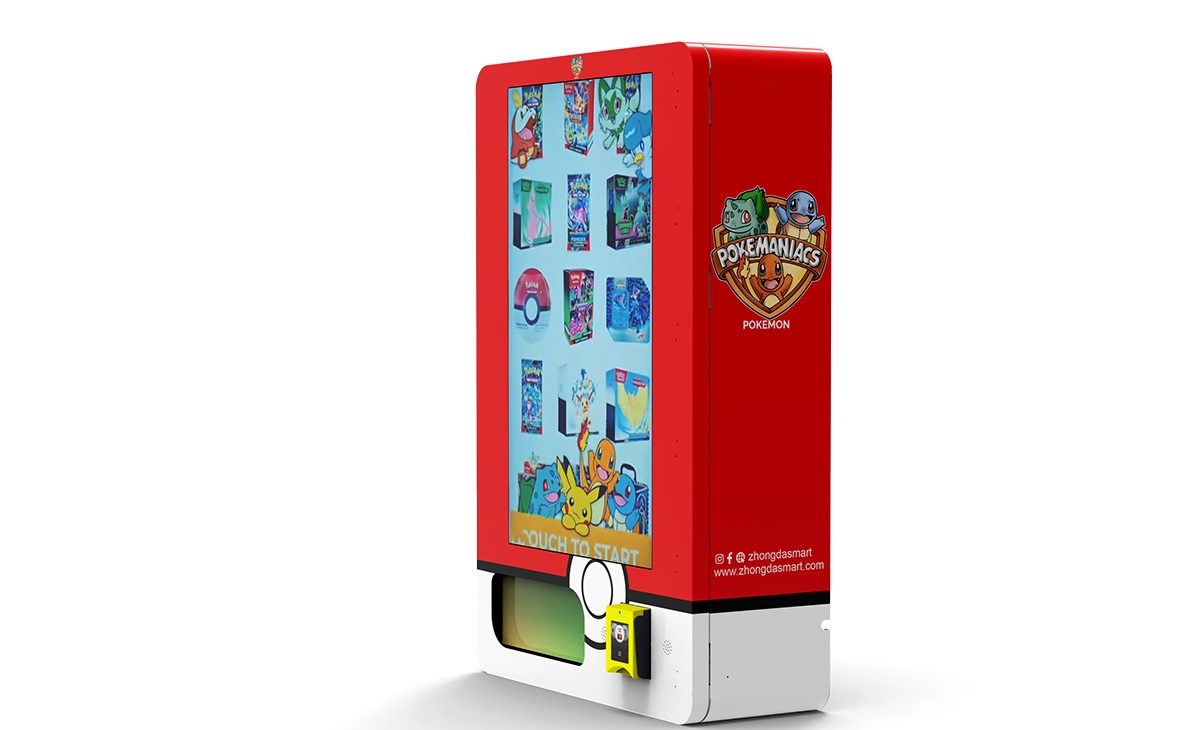
How to Choose a Vending Machine Supplier
I have bought machines from five different manufacturers over the years. My advice is to look for a supplier that offers more than just hardware. You want a partner who provides reliable telemetry, responsive technical support, and a network of service technicians. Ask about their average response time for warranty claims. Ask whether they stock spare parts in your country or region.
If you are sourcing from overseas manufacturers, pay close attention to certification. Machines sold in the EU need CE marking. In the US, they need UL or ETL certification. Machines without proper certification can cause problems with insurance and location agreements. I have worked with Zhongda Smart on several deployments because they meet these standards and offer customization options for different markets. But I always recommend ordering a single unit first to test it in your own operation before buying in bulk.
Common Mistakes New Operators Make
I have made most of these mistakes myself, so I can tell you exactly what to avoid:
- Buying the cheapest machine available. A $2,000 machine that breaks down twice a month will cost you more in lost sales and repair calls than a $5,000 machine that runs for years without issues.
- Ignoring telemetry. If you cannot see your sales data remotely, you are flying blind. You will either overstock or run out of popular items, and you will not know which products are profitable.
- Overpaying for location rights. Some building managers will ask for 20% of gross sales. That is too high unless the location is exceptional. I aim for 8% to 12% for standard office and industrial locations.
- Neglecting machine repair training. You do not need to be a technician, but you should know how to clear a jam, reset the payment terminal, and diagnose common error codes. Every service call you can handle yourself saves $100 to $200.
- Choosing the wrong product mix. I once stocked a machine in a fitness center with regular soda and candy bars. Sales were terrible. After switching to protein bars, bottled water, and zero-sugar drinks, revenue tripled. Know your audience.
Best Locations for Cashless Vending Machines
Based on my experience and industry data from Statista, the following location types consistently perform well:
- Manufacturing and industrial facilities: High foot traffic, long shifts, limited break time. Workers want quick access to snacks and drinks.
- Hospitals and healthcare facilities: Staff and visitors need food and drinks at all hours. Cafeterias close early, but vending machines run 24/7.
- College dormitories and student unions: Students are heavy users of cashless payments and have irregular eating schedules.
- Gyms and fitness centers: High demand for water, sports drinks, protein bars, and healthy snacks.
- Office buildings with 100+ employees: Especially those without a cafeteria or nearby food options.
Locations to approach with caution include schools with restricted hours, retail stores with low foot traffic, and outdoor areas where machines are exposed to extreme temperatures or vandalism.
How to Evaluate Whether a Machine Is Worth the Investment
I use a simple formula before placing any machine. Estimate the number of potential customers per day. Multiply by the average transaction value, which for snacks and drinks is usually between $1.50 and $3.00. Multiply by the estimated purchase frequency. If the projected monthly revenue is less than three times the machine's monthly cost, I pass.
For example, if a machine costs $5,000 and has a monthly operating cost of $150, I want to see projected monthly revenue of at least $450. That gives me a payback period of roughly 11 months. If the location cannot support that, it is not worth the risk. This is a conservative approach, but it has kept me from making bad bets.
FAQ: Common Questions About Cashless Vending Machines
Are cashless vending machines profitable?
Yes, if placed in the right location and managed efficiently. Profit margins typically range from 15% to 30% after all costs. Many operators see a return on investment within 12 to 18 months.
How much does a cashless vending machine cost?
A new machine with a card reader and telemetry costs between $3,000 and $10,000. Used machines can be found for $1,500 to $4,000, but may need upgrades.
How long does it take to recoup the investment?
In my experience, payback periods range from 9 to 24 months depending on location, product margins, and operating efficiency. High-traffic industrial sites can pay back in under a year.
Should a beginner buy or lease a vending machine?
Buying is almost always better if you have the capital. Leasing adds monthly fees and reduces your profit margin. If you want to test the business, start with one used machine purchased outright.
Where should I place a vending machine for the best results?
Focus on locations with consistent foot traffic and limited food options: manufacturing plants, hospitals, college dorms, gyms, and large office buildings. Avoid seasonal or low-traffic spots.
What permits or licenses do I need?
Requirements vary by city and country. In the US, you typically need a business license and a sales tax permit. In the EU, you need to register your business and comply with food safety regulations if selling perishable items. Check with your local chamber of commerce.
How do I choose a vending machine supplier?
Look for a supplier with good warranty terms, fast technical support, and machines that meet local safety certifications. Test one unit before ordering in volume. Zhongda Smart is a manufacturer I have used for bulk orders, but always do your own due diligence.
What happens if the machine breaks down?
Most common issues can be resolved by clearing a jam or resetting the system. For major repairs, you will need a technician. Budget $200 to $500 per machine per year for maintenance and vending machine repair costs.
How can I reduce restocking and maintenance costs?
Use telemetry to monitor inventory levels and only restock when necessary. Plan efficient routes if you have multiple machines. Learn basic troubleshooting to avoid paying for service calls on minor issues.
Final Thoughts
Cashless vending machines are not a get-rich-quick scheme. They are a solid small business that rewards attention to detail, data-driven decision making, and consistent effort. The operators who succeed are the ones who treat their machines like retail stores, not like piggy banks. They track sales, adjust product mixes, maintain their equipment, and build relationships with location managers. If you are willing to put in the work, the returns can be very respectable. But if you are looking for a completely passive income stream, this is not it.
Start small. Buy one machine. Place it in a location you know well. Track every dollar. Learn the rhythm of restocking and the common failure points. Once you have a proven model, scale slowly. That is the only path that works in the long run.
This article was updated in May 2025. Data and market conditions may change. Always verify costs and regulations with local authorities and industry sources before making investment decisions.