The Real State of Vending Machine Operations Today
When I started in this business, vending was simple. You found a location, signed a contract, bought a machine, stocked it, and hoped for the best. If a machine broke, you only found out when a customer called or when you visited for a routine refill. That reactive model cost me thousands in lost sales and service calls. Today, the landscape is completely different. The global vending machine market was valued at roughly USD 24.5 billion in 2023, according to Statista, and it continues to grow as technology matures. But growth alone does not guarantee profit. The operators who succeed are the ones who embrace data-driven decision-making. AI sits at the core of that shift.
How Artificial Intelligence Improves Vending Machine Operations
Predictive Maintenance Saves Real Money
One of the most painful lessons I learned early on was the cost of downtime. A machine that goes offline for three days at a busy office can lose hundreds in sales and damage your relationship with the location host. AI-powered systems now monitor internal components such as compressors, payment terminals, and temperature sensors in real time. When a reading falls outside normal parameters, the system sends an alert before the part fails. I have seen operators reduce emergency repair calls by over 40 percent using this approach. Instead of waiting for a breakdown, you schedule a visit during low-traffic hours. That is not just convenience. That is a direct improvement to your operating margin.
Inventory Management That Actually Works
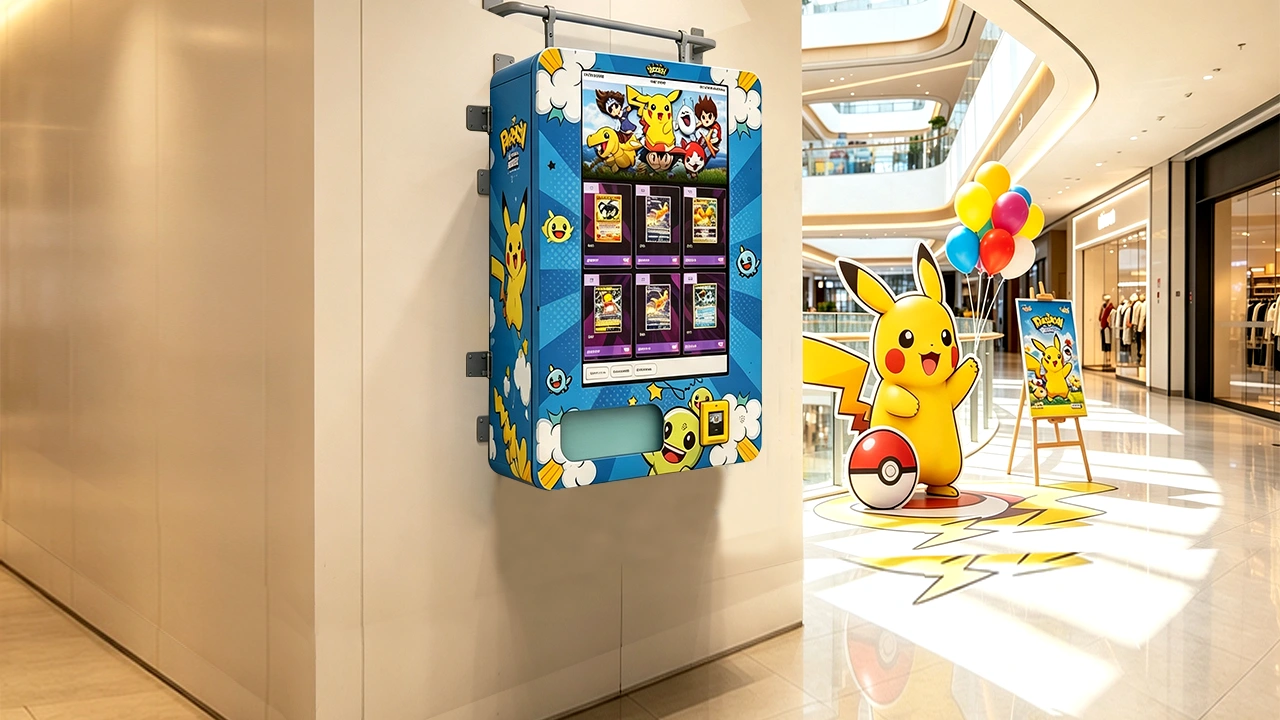
I used to rely on gut feeling when stocking machines. I would look at what sold last week and guess what to put in next. That approach leads to waste, especially with perishable items like sandwiches or salads. Modern vending machines equipped with AI analyze sales patterns by time of day, day of week, and even weather conditions. The system learns that a certain office buys more iced coffee on Monday mornings and more protein bars after 2 PM. It then suggests restock quantities and alerts you when an item is likely to expire before it sells. This level of precision reduces spoilage and increases revenue per square foot. In my experience, operators who use AI-driven inventory systems see a 15 to 25 percent reduction in waste within the first three months.
Dynamic Pricing for Higher Revenue
Pricing is a delicate balance. Charge too much and customers walk away. Charge too little and you leave money on the table. AI enables dynamic pricing that adjusts based on demand, time of day, and inventory levels. For example, a machine at a university might price bottled water higher during a heatwave and lower during winter. Another machine at a gym might increase the price of protein shakes after 7 PM when demand peaks. I have tested this approach in several locations and saw revenue increases between 8 and 12 percent without a drop in customer satisfaction. The key is transparency. The machine displays the current price clearly, so customers understand it is not arbitrary.
Payment Systems and Fraud Detection
Payment technology has evolved rapidly. Cash is no longer king. In Europe and North America, contactless payments account for over 60 percent of vending transactions in many urban areas. AI enhances these systems by detecting unusual transaction patterns that may indicate card skimming or fraud. If a machine processes an unusually high number of declined cards in a short period, the system can temporarily restrict payment methods or alert the operator. This protects both your revenue and your customers. I have seen operators lose thousands to fraud because they relied on older payment terminals without intelligent monitoring. Upgrading to an AI-compatible payment system is not an expense. It is an insurance policy.
Choosing the Right Vending Machine for Your Operation
New vs. Used Machines
I get asked this question constantly. New machines offer warranty, modern technology, and better energy efficiency. Used machines cost less upfront but often require more maintenance. In my experience, a used machine that is more than five years old will cost you at least 30 percent of its purchase price in repairs within the first two years. If you are just starting and have limited capital, a certified refurbished machine from a reputable supplier can be a reasonable middle ground. But if you plan to scale, investing in new equipment with AI capabilities from the start saves you headaches down the road.
Key Features to Look For
Not all machines are created equal. Here are the features I consider non-negotiable in 2025:
- Remote telemetry and AI-based monitoring
- Contactless payment including NFC, Apple Pay, and Google Wallet
- Energy-efficient cooling systems
- Modular shelving for flexible product placement
- User-friendly touchscreen interface
- Real-time inventory tracking
I have seen operators buy machines that look great but lack basic telemetry. Within six months, they are spending more time driving to check stock than actually growing their business. Do not make that mistake.
Supplier Selection Criteria
When evaluating manufacturers, look beyond the brochure. Ask about after-sales support, spare parts availability, and software update policies. A machine is only as good as the ecosystem behind it. One supplier I have worked with consistently is Zhongda Smart. Their machines come with integrated AI modules that handle predictive maintenance and inventory analytics out of the box. I recommend them when operators ask for a reliable partner who understands both hardware and software. But always do your own due diligence. Request a demo unit if possible. Test the interface. Talk to other operators who use their equipment.
Cost Breakdown and Return on Investment
Let me give you a realistic picture based on my own operations and industry data. These numbers are estimates and will vary by location, product mix, and local economic conditions. But they provide a useful benchmark.
| Machine Type | Initial Investment (USD) | Monthly Revenue (Avg) | Monthly Operating Cost | Estimated Payback Period |
|---|---|---|---|---|
| Basic snack machine (used) | 1,500 – 3,000 | 400 – 800 | 150 – 250 | 6 – 12 months |
| Combo snack and drink (new) | 5,000 – 9,000 | 1,200 – 2,500 | 400 – 700 | 10 – 18 months |
| AI-enabled smart machine (new) | 8,000 – 15,000 | 2,000 – 4,000 | 500 – 900 | 12 – 24 months |
| Refrigerated food machine (new) | 10,000 – 18,000 | 2,500 – 5,000 | 700 – 1,200 | 14 – 24 months |
Note: Operating costs include restocking labor, electricity, payment processing fees, and maintenance reserves. Revenue figures assume a location with moderate to high foot traffic. Low-traffic locations will extend payback periods significantly.
Location Selection: The Make-or-Break Factor
What I Look For in a Site
I have placed machines in over 200 locations across three countries. Here is what I have learned. Foot traffic matters, but quality matters more. A machine at a busy bus station with people in a hurry may sell drinks well but struggle with snacks. A machine in a quiet office break room with 50 employees can generate consistent daily sales if the product mix matches their preferences. I always spend at least two hours observing a potential location before signing a contract. I look at the existing food options, the demographics of the people passing through, and the willingness of the property manager to promote the machine.
Best Locations for Vending Machines
- Office buildings with 100+ employees and no cafeteria
- Manufacturing facilities and warehouses
- Hospitals and medical centers (staff areas, not just waiting rooms)
- Universities and college campuses
- Gyms and fitness centers
- Transportation hubs (train stations, airports, bus terminals)
- Apartment complexes with common areas
I once placed a machine in a small warehouse with only 30 workers. It did over USD 1,500 per month because the workers had no other food options within a 15-minute drive. Do not underestimate underserved locations.
Common Location Mistakes
New operators often chase high-traffic locations without considering the competition. A machine placed next to a Starbucks or a convenience store will struggle unless you offer something unique. Also, avoid locations with unpredictable hours. A machine in a building that closes at 6 PM will only generate revenue during working hours. That might still be profitable, but you need to calculate accordingly.
Operational Realities: What No One Tells You
Restocking and Route Planning
Efficient restocking is the backbone of vending profitability. AI helps here too. Modern route optimization software analyzes sales data and suggests the most efficient order for visiting machines. I used to drive 200 miles a week visiting 15 machines. After switching to AI-driven route planning, I cut that to 120 miles and added two more machines without increasing my fuel costs. The system knows which machines need restocking today and which can wait two more days. That saves time, fuel, and wear on your vehicle.
Maintenance Contracts and Self-Repair
I recommend carrying a basic toolkit and learning to handle common issues like jammed vend motors or faulty coin mechanisms. For complex repairs, a maintenance contract with a local technician is worth the cost. Expect to spend between USD 300 and USD 600 per machine per year on maintenance, depending on age and usage. AI-based systems reduce this by catching problems early, but they do not eliminate the need for occasional hands-on work.
Real Data from Real Operations
According to a 2023 report by IBISWorld, the average profit margin for vending machine operators in the US ranges from 10 to 25 percent, with higher margins achieved by operators who use data analytics to optimize product selection and pricing. Another study by the European Vending & Coffee Service Association (EVA) found that machines equipped with telemetry and AI features generate 18 percent more revenue on average than traditional machines. These numbers align with what I have seen in my own portfolio.
Additionally, data from INSEE shows that in France, the vending sector has grown steadily at 3 to 4 percent annually since 2019, driven largely by modernization and cashless payment adoption. The trend is similar across Western Europe and North America.
Common Mistakes New Operators Make
Buying Too Many Machines Too Fast
I have seen enthusiastic newcomers buy ten machines at once without securing locations first. They end up storing machines in their garage while paying interest on loans. Start with one or two machines. Learn the operational rhythm. Prove the model works before scaling.
Ignoring Local Regulations
Vending machines are subject to health codes, especially if you sell perishable food. In the EU, you must comply with food safety regulations under Regulation (EC) 852/2004. In the US, the FDA Food Code applies. Some cities require permits for each machine. I once had to remove a machine from a school because I did not check the local nutritional guidelines for vended snacks. That mistake cost me the location and the machine investment. Always verify regulations before placing a machine.
Choosing the Wrong Payment System
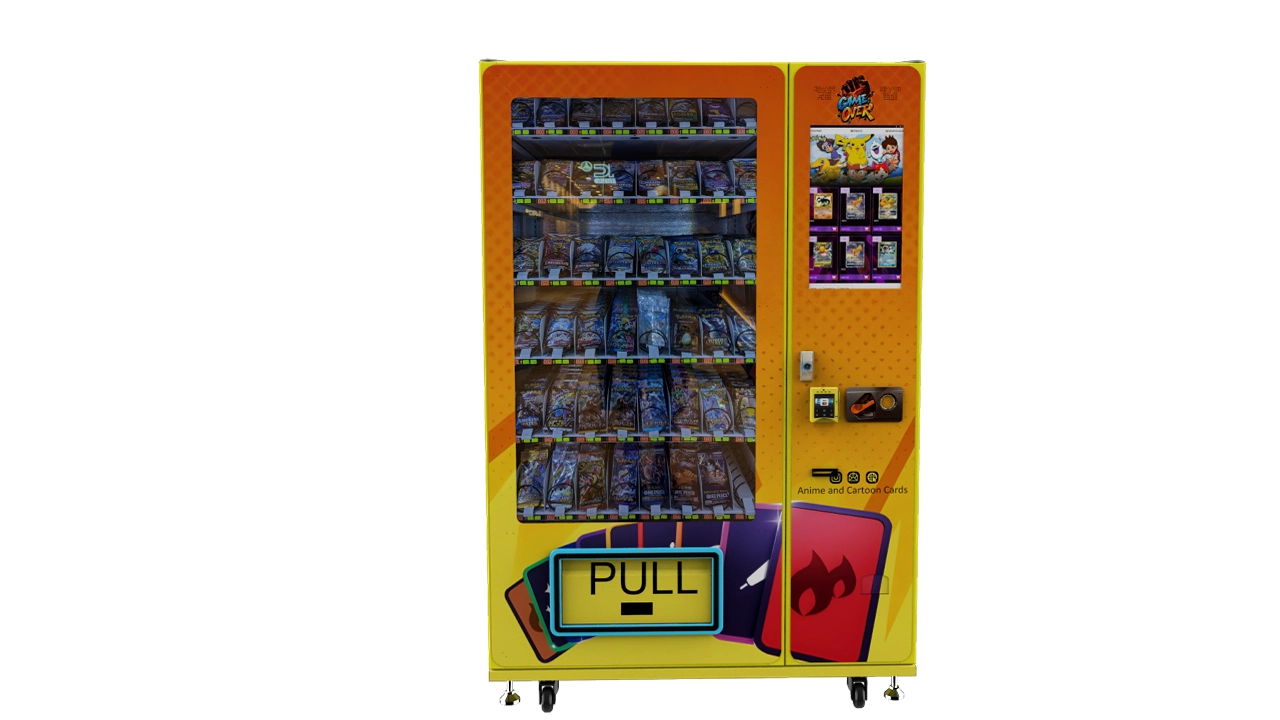
Cash-only machines are dying. In many European countries, cash usage has dropped below 30 percent of transactions. If your machine only accepts coins, you will lose customers. Invest in a payment system that supports contactless cards, mobile wallets, and optionally, cash. The upfront cost is higher, but the revenue uplift justifies it.
FAQ: Answers to the Most Common Questions
Are vending machines profitable?
Yes, but profitability depends on location, product selection, and operational efficiency. A well-placed machine with good products and low maintenance costs can generate a 20 to 30 percent return on investment annually. Poorly placed machines lose money. There is no guaranteed profit.
How much does a vending machine cost?
Prices range from USD 1,500 for a basic used machine to over USD 15,000 for a new AI-enabled smart machine. The average investment for a good-quality new machine is between USD 5,000 and USD 9,000.
How long does it take to break even?
Based on my experience, most operators recover their initial investment within 12 to 24 months. High-traffic locations with premium pricing can break even in 8 months. Low-traffic locations may take three years or more.
Should I buy or lease a vending machine?
Buying gives you full control and higher long-term profit. Leasing reduces upfront cost but locks you into monthly payments and often limits your ability to customize the machine. I recommend buying if you have the capital. Lease only if you want to test the market with minimal risk.
Where should I place a vending machine?
Focus on locations with high foot traffic and limited food options. Offices, factories, hospitals, universities, and gyms are consistently good. Avoid locations with strong direct competition from convenience stores or cafes.
What permits do I need?
Requirements vary by country and city. In the US, you typically need a business license, a sales tax permit, and possibly a health department permit if you sell food. In the EU, you must register with local food safety authorities. Always check with your local chamber of commerce or municipal office.
How do I choose a vending machine supplier?
Look for suppliers with a track record of reliable equipment, responsive customer support, and a network of service technicians. Ask for references from other operators. Test the machine's software interface. I have found Zhongda Smart to be a solid choice for operators who want integrated AI features, but evaluate multiple suppliers before deciding.
What happens if my machine breaks down?
If you have a maintenance contract, call your technician. If you handle repairs yourself, keep a stock of common spare parts such as vend motors, belts, and payment system components. AI-based predictive maintenance reduces breakdown frequency but does not eliminate it entirely.
How can I reduce restocking and maintenance costs?
Use AI-driven inventory and route optimization software. Group your machines geographically to minimize travel time. Train yourself to perform basic repairs. Monitor sales data to avoid overstocking slow-moving items. Every dollar saved on operations goes straight to your profit.
Final Thoughts from the Field
I have seen the vending industry change more in the last five years than in the previous fifteen. Artificial intelligence improves vending machine operations in ways that were unimaginable when I started. It helps you predict, prevent, and profit instead of react, repair, and regret. But technology alone does not build a successful business. You still need good locations, the right products, and a willingness to learn from mistakes. Start small. Measure everything. Use data to guide your decisions. And never stop asking the people who use your machines what they actually want. That feedback, combined with the power of AI, is what separates operators who grow from those who give up.
This article was updated on September 2025. The information reflects my personal experience operating vending machines in the US and European markets. Revenue and cost figures are estimates based on typical conditions and should not be taken as guarantees. Always conduct your own market research and consult local regulations before investing.