do you need a permit to have a vending machine
If you are asking yourself, "do you need a permit to have a vending machine," the short answer is yes, almost always. I have been placing machines across the US and parts of Europe for over a decade, and I can tell you that the permit question is rarely a simple yes or no. It depends entirely on where you put the machine, what you sell inside it, and how your local municipality defines a retail establishment. In my experience, skipping the permit research is the single fastest way to lose your investment to fines or forced removal. Whether you are looking at a traditional snack machine for a break room or a self-service kiosk for a public lobby, understanding the local business license, sales tax permit, and food handling certificate requirements is your first real operational step, not an afterthought.
Understanding the Permit Landscape for Vending Machines
Over the years, I have seen too many new operators buy a machine, find a spot, and then get shut down within two weeks because they did not pull the right paperwork. The rules vary dramatically between cities, counties, and states. In some rural areas, you might only need a general business license. In a major city like Chicago or Los Angeles, you could need a specific vending machine permit, a sidewalk occupancy permit, and a food service establishment license if you sell perishable items.
The first thing I do when scouting a new location is visit the local city clerk or check the municipal code online. I look for terms like "automatic vending device," "self-service retail," or "coin-operated machine." Many cities classify a vending machine as a separate retail establishment, even if it is just sitting in a corner of someone else's business. That means you, as the operator, are responsible for the permit, not the property owner.
One common mistake I see is assuming that because the machine is inside a private office or a warehouse, no permit is needed. That is rarely true. Even a break room machine in a factory usually requires a food handling permit if you sell packaged snacks or drinks. I have had to pull machines from otherwise profitable locations because the property owner did not want to deal with the health department inspections triggered by my machine.
If you are planning to operate a distributeur automatique in a public space like a mall, transit station, or sidewalk, expect the permit process to be more involved. You may need to submit a site plan, pay an annual fee, and carry liability insurance naming the city as an additional insured. I keep a checklist for each new city I enter, and I update it every year because regulations change.
Types of Permits You Might Encounter
Based on my experience across dozens of jurisdictions, here are the most common permits you will need to research:
- General Business License: Almost every city requires this. It is usually a simple application and a small annual fee. Without it, you cannot legally operate any business within city limits.
- Vending Machine Permit: Some cities have a specific permit for vending machines. This is separate from a general business license and often requires an inspection of the machine's safety features, like the locking mechanism and electrical cord.
- Food Service or Retail Food Permit: If you sell any food or beverage items, even pre-packaged chips or candy, many health departments require a food permit. This usually means passing a health inspection and paying a fee. I have seen operators fined heavily for selling bottled water without this permit.
- Sales Tax Permit: You must collect and remit sales tax on every item you sell through the machine. This requires a state-level sales tax permit. I set up a separate bank account for tax funds to avoid mixing them with operating cash.
- Sidewalk or Right-of-Way Permit: If your machine sits on public property, like a sidewalk or a park, you almost always need a special permit from the public works department. These can be expensive and competitive in high-traffic areas.
- Sign Permit: Some cities regulate the signage on vending machines, especially if they are placed outdoors. I have had to remove promotional stickers because they violated local sign ordinances.
Do You Need a Permit for a Vending Machine in Your Specific Scenario?
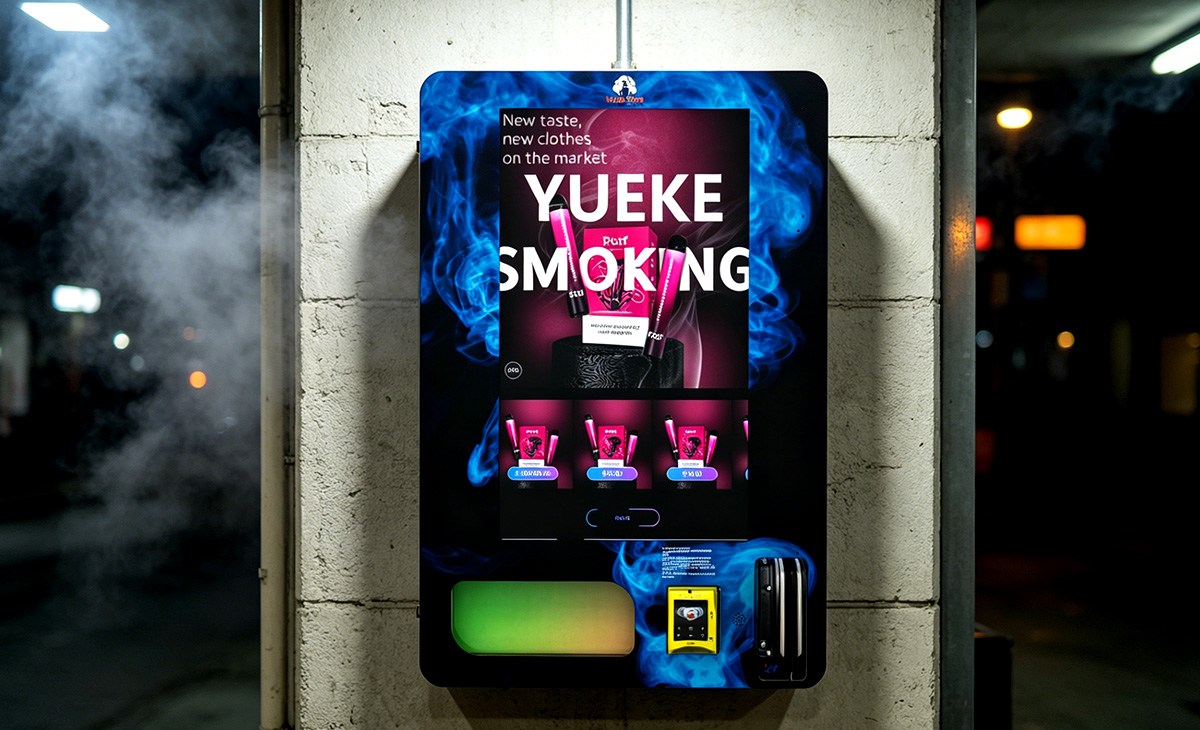
The answer changes depending on the business model. Let me walk through the most common scenarios I have encountered and what permits were actually required.
Placing a Machine Inside an Existing Business
This is the most common entry point for new operators. You approach a laundromat, car wash, or office manager and ask to place a machine. In this scenario, you typically need your own business license and a food permit if you sell food. The host business's permit does not cover you. I have had hosts tell me, "Just put it there, no one will ask," but I always get my own permit anyway. When a health inspector walks in, they check every food source on the premises, including your machine. If you are unpermitted, the host gets fined too, and you lose the location.
Operating a Machine on Public Property
This is the most regulated scenario. Placing a machine on a city sidewalk, in a public park, or at a bus stop usually requires a competitive bidding process or a specific vendor permit. I have seen cities limit the number of machines allowed per block. In some European cities, you need a special "borne en libre-service" permit that requires a public hearing. The fees are higher, and the application process takes months. I only pursue these locations if the foot traffic is guaranteed to be over 500 people per day.
Running a Vending Business from a Warehouse or Storage Unit
Even if your machine is in a private storage unit that you own, you still need a business license for the city where the unit is located. I learned this the hard way when I stored inventory in a unit across town and got a notice from the city zoning department. They considered it a commercial storage operation. You also need a sales tax permit if you are buying inventory for resale.
Are There Any Scenarios Where No Permit Is Needed?
In my experience, the only scenario where permits are not required is if you own the entire property and the machine is for personal, non-commercial use. For example, if you put a soda machine in your own garage for family and friends, no permit is needed. But the moment you accept money from anyone, even a dollar, you are operating a business. I have never found a commercial scenario in the US or Europe where absolutely no permit was needed. Even in the most lenient jurisdictions, a sales tax permit is almost always mandatory.
Costs and Timeframes for Getting Permits
Let me give you some real numbers based on what I have paid over the years. These are estimates, and you should always check your local rates, but they give you a ballpark.
| Permit Type | Typical Cost (USD) | Processing Time | Renewal Frequency |
|---|---|---|---|
| General Business License | $50 – $400 | 1 – 4 weeks | Annual |
| Vending Machine Permit | $100 – $500 per machine | 2 – 8 weeks | Annual or biennial |
| Food Service Permit | $100 – $1,000 | 2 – 6 weeks | Annual |
| Sales Tax Permit | Free – $50 | 1 – 2 weeks | One-time (usually) |
| Sidewalk/R.O.W. Permit | $200 – $2,000 | 4 – 12 weeks | Annual |
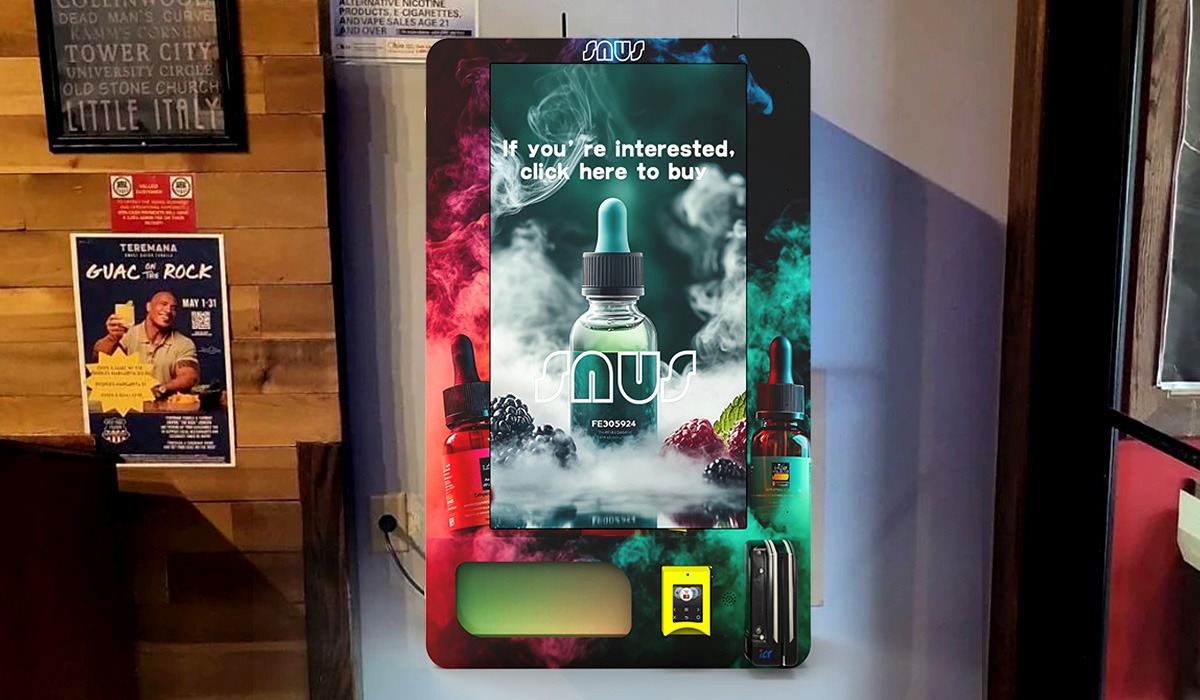
I always budget at least $500 per machine for initial permitting and licensing in a new city. That includes the business license, food permit, and sales tax registration. If the location is on public property, I budget $1,500 or more. The time investment is significant too. I plan for a 6-week lead time before I can legally place a machine. Rushing this step has cost me more in fines than the permits themselves.
How to Research Permits for Your Vending Machine
I have developed a systematic approach over the years that saves me time and money. Here is what I do for every new location.
First, I visit the city or county website and search for "business license" and "vending machine." I look for a specific ordinance or code section. If I cannot find it, I call the city clerk's office directly. I ask one simple question: "I want to place a vending machine at [address]. What permits do I need?" I write down the name of the person I spoke to and the date. This creates a paper trail.
Second, I contact the county health department if I am selling any food or drink. Even pre-packaged items fall under their jurisdiction in most places. I ask about their inspection process and fee schedule. I have found that health departments are usually helpful if you approach them proactively. They would rather help you get compliant than fine you later.
Third, I check with the state department of revenue for sales tax requirements. Most states require you to register for a sales tax permit before you make your first sale. I do this online, and it is usually free or very cheap. The key is to set up a system for tracking sales by item type because tax rates can vary by product. Candy might be taxed differently than soda in some states.
Fourth, I ask the property owner if they have any specific requirements. Some landlords require you to provide proof of insurance and a copy of your permits before they sign a location agreement. I always get this in writing. I have had landlords change their minds after I installed a machine, and having a signed agreement with permit copies attached protected me.
Finally, I check if there are any neighborhood or homeowners association rules. I once placed a machine in a commercial strip that was part of a larger HOA. The HOA had a rule against "exterior vending equipment" that I missed. I had to move the machine within 30 days. Now I always ask for the HOA covenants before signing anything.
Common Permit Mistakes I Have Seen New Operators Make
I want to share some real failures I have witnessed so you can avoid them. These are not hypotheticals; these are situations I have helped operators fix or seen them lose money on.
Mistake 1: Assuming the Host Business's Permit Covers You. I had an operator friend who placed a snack machine in a barbershop. The barber had a business license and a food permit for his own operation. The health inspector came for a routine check, saw the vending machine, and asked for the operator's permit. My friend had none. The barber was fined for allowing an unlicensed food vendor on his premises. My friend lost the location and had to pay a $300 fine. The machine sat in his garage for six months before he found a new spot.
Mistake 2: Ignoring Sales Tax Collection. A new operator I mentored started with one machine in a small office. He did not register for a sales tax permit because he thought his sales were too low. After two years, the state audited him based on the machine's sales records. He owed back taxes, penalties, and interest totaling over $2,000. That was more than his profit for the entire period. I now tell every new operator to register for a sales tax permit before they buy their first machine.
Mistake 3: Placing a Machine Without a Written Agreement. I have seen operators place a machine based on a verbal handshake. Three months later, the property owner sells the business, and the new owner wants the machine gone. Without a written agreement, the operator has no legal right to be there. They lose the machine or have to pay to move it. I always use a simple one-page location agreement that specifies the commission, the permit responsibility, and the notice period for removal.
Mistake 4: Overlooking Zoning Restrictions. Some cities have zoning rules that prohibit vending machines in certain commercial zones. I once scouted a perfect location in a mixed-use zone, only to discover that the specific parcel was zoned for "retail only with on-site consumption." My vending machine did not qualify. I had to find another spot two blocks away. Always check the zoning code before you invest time in a location.
Is a Vending Machine Business Profitable? Real Numbers from My Experience
This is the question everyone asks, and the answer is nuanced. I have machines that generate $1,500 per month in revenue and machines that barely do $200. The difference is almost always location and product selection. Let me give you some real data points from my own operation over the past three years.
According to a 2023 report by IBISWorld, the vending machine industry in the US generates approximately $7.5 billion annually, with an average profit margin of around 15% to 20% for small operators. My own margins align with that, but only after I optimized my routes and product mix. New operators often see margins closer to 5% to 10% in the first year because of inefficiencies.
Here is a breakdown of a typical machine in a medium-traffic office location I operate:
- Monthly revenue: $800 – $1,200
- Cost of goods sold (snacks and drinks): 40% – 50% of revenue
- Location commission: 10% – 20% of revenue
- Credit card processing fees: 3% – 5% of revenue
- Electricity: $10 – $30 per month
- Monthly net profit: $200 – $400 per machine
That machine cost me about $4,000 new, including installation. At $300 average monthly profit, the payback period is about 13 months. That is good, but it assumes no major repairs. I have had machines that needed a new compressor after two years, which cost $600. That set the payback back by two months.
For a high-traffic public location, like a transit station, the numbers are different. One of my best machines does $3,000 per month in revenue, but the commission is 25%, and the permit costs are higher. The net profit is around $800 per month, but the machine cost $6,000 because it needed a heavy-duty locking system and a card reader. The payback was about 8 months, which is excellent.
According to data from the National Automatic Merchandising Association (NAMA), the average vending machine in the US generates about $75 per week in sales. My experience is that this number is low for well-placed machines and high for poorly placed ones. I aim for at least $100 per week per machine as my minimum threshold. If a machine does not hit that within three months, I move it.
I also track the "cashless uplift." Machines with card readers typically see a 15% to 30% increase in sales compared to cash-only machines. I have seen this consistently across my fleet. If you are not offering card payments, you are leaving money on the table.
How to Choose the Right Vending Machine Supplier
Your supplier choice affects your entire operational experience. I have bought machines from five different manufacturers over the years, and I have learned what to look for. Here is my honest assessment.
First, prioritize build quality over price. I bought a cheap machine from an unknown brand once. The coin mechanism jammed every two weeks, the cooling system failed after six months, and the door hinge broke within a year. I spent more on repairs than I saved on the purchase price. Now I only buy from manufacturers with a proven track record in the US or European market.
Second, look for a supplier that offers good after-sales support. When my card reader stopped working on a Sunday, I needed a replacement shipped overnight. The manufacturer that had a US-based warehouse and a responsive support team saved me from losing a week of sales. I have had good experiences with Zhongda Smart for certain models because they offer solid build quality and responsive support for their automated retail solutions. They are not the cheapest, but their machines have held up well in my high-traffic locations. I recommend checking their lineup if you are looking for a reliable self-service kiosk for medium to high volume spots.
Third, consider the total cost of ownership. A machine that costs $3,000 but uses proprietary parts that are hard to find will cost you more in the long run than a $4,500 machine that uses standard, off-the-shelf components. I always ask about the availability of replacement parts for the cooling system, the payment system, and the control board. If the supplier cannot guarantee parts availability for five years, I look elsewhere.
Fourth, check the warranty. Most reputable manufacturers offer a one-year warranty on parts and labor. Some offer extended warranties for an additional cost. I have found that the extended warranty is worth it for the first year, especially if you are new and may not know how to diagnose problems quickly. After the first year, I self-insure for repairs.
Finally, read reviews from other operators. I am part of several vending operator forums, and I always ask before buying a new model. Real user experiences with vending machine repair frequency and common failure points are more valuable than any spec sheet. I have avoided several problematic models this way.
Location Selection: The Most Critical Factor for Success
I have moved more machines because of bad locations than any other reason. A great machine with perfect product selection will fail in a low-traffic spot. Here is how I evaluate a potential location.
I count foot traffic for at least three days at different times. I look for a minimum of 100 people passing within 10 feet of the proposed machine location per day. For a machine to hit $100 per week in sales, I need at least 50 potential customers per day, assuming a 5% to 10% conversion rate. Higher traffic locations can support higher commission rates.
I also look at the "dwell time." Locations where people wait, like laundromats, car washes, auto repair shops, and break rooms, are gold. People have time to browse and buy. Transit stations are good if the machine is placed near a waiting area, not just a walkway. I avoid locations where people are in a hurry, like a narrow hallway or a busy entrance.
I check for competition. If there is already a vending machine in the location, I ask about its sales. If the existing machine is old and poorly stocked, I might still be able to succeed with a better machine and better product selection. But if there are three machines already, I usually pass. The total addressable market for vending in a single location is limited.
I also consider the demographics. A machine in a blue-collar warehouse will sell more energy drinks and chips. A machine in a yoga studio will sell more healthy snacks and bottled water. I tailor my product mix to the location. I have a standard product order that I adjust based on the first month's sales data. I track every item's sales velocity and replace slow movers quickly.
One piece of advice I give to every new operator: start with one or two high-quality locations rather than ten mediocre ones. It is better to have two machines generating $1,000 each per month than ten machines generating $200 each. The operational overhead is lower, and the profit is higher. I learned this the hard way when I expanded too quickly and spent all my time driving between low-performing machines.
Operational Costs Beyond the Machine Purchase
Many new operators only budget for the machine cost and the product inventory. They forget about the ongoing expenses that eat into profits. Here is a realistic list of costs I have tracked over the years.
- Payment processing fees: 3% to 5% of card transactions. If 70% of your sales are card, this is a significant cost.
- Inventory shrinkage: I budget 1% to 2% of sales for theft or damage. It happens, especially in unsupervised locations.
- Route labor: If you pay someone to restock, budget $15 to $25 per hour plus mileage. I self-service my first few machines to keep costs down.
- Vehicle expenses: Gas, maintenance, and insurance for the vehicle you use for restocking. I estimate $0.50 per mile.
- Machine repairs: I set aside 5% of gross revenue for repairs. Some years I use less, some years I use more. The average over five years has been about 4%.
- Insurance: General liability insurance for your vending business costs $300 to $600 per year for a small operator. I recommend it.
- Location commissions: This varies from 0% to 30% of gross sales. I negotiate hard on this. A 10% commission is standard for a low-effort location. High-traffic locations may demand 20% or more.
I track every single expense in a spreadsheet. I know the exact profit per machine per month. Without this data, you are flying blind. I have seen operators think they are profitable when they are actually losing money because they forgot to account for their own time and vehicle costs.
FAQ: Common Questions About Vending Machine Permits and Operations
Do you need a permit to have a vending machine in every state?
Yes, in every state I have operated in, you need at least a business license and a sales tax permit. Some states have additional requirements for food vending. I have operated in California, Texas, Florida, and New York, and all of them required permits. The specific type varies, but the general answer is always yes.
How much does a vending machine permit cost?
Based on my experience, a basic business license costs $50 to $400. A specific vending machine permit can cost $100 to $500 per machine. Food permits add another $100 to $1,000. I budget $500 per machine for initial permitting in a new city.
Can I place a vending machine without a permit if it is inside a private business?
No. Even inside a private business, you are operating a retail establishment. Most health departments require a food permit if you sell any food or beverage. I have seen operators fined for this exact assumption. Always get your own permit.
How long does it take to get a vending machine permit?
Processing times vary, but I plan for 4 to 8 weeks from application to approval. Some cities are faster, some are slower. I start the permit process before I buy the machine to avoid delays.
What happens if I operate a vending machine without a permit?
You risk fines, machine confiscation, and legal action from the city. I have seen fines of $500 to $2,000 per violation. You also risk losing your location and your reputation with property owners. It is not worth the risk.
Do I need a permit for a vending machine that sells non-food items?
Yes, you still need a business license and a sales tax permit. Non-food machines, like those selling toys or electronics, are still retail establishments. The permit requirements may be simpler, but they are not zero.
How do I find out what permits I need in my city?
Start with the city clerk's office or the city website. Search for "business license" and "vending machine." Then contact the county health department if you sell food. Finally, register with the state for a sales tax permit. I also recommend calling a local vending operator and asking them directly. Most are willing to share their experience.
Is it better to buy a new or used vending machine for a first-time operator?
I recommend buying a new machine for your first one. Used machines can have hidden problems like worn-out cooling systems or outdated payment systems. A new machine from a reputable supplier like Zhongda Smart gives you a warranty and a known starting point. Once you have experience, you can evaluate used machines more effectively.
How often do vending machines break down?
In my experience, a well-maintained machine from a good manufacturer has about one minor issue per year, like a jammed coin mechanism or a stuck product. Major issues, like compressor failure, happen every 3 to 5 years. I budget 5% of gross revenue for repairs and have found that to be sufficient.
What is the average profit margin for a vending machine business?
Industry data from NAMA and my own experience suggest a net profit margin of 15% to 20% for established operators. New operators often see lower margins due to inefficiencies. The key is to control costs, optimize your product mix, and choose high-traffic locations.
Final Thoughts on Starting Your Vending Machine Business
I have been in this industry long enough to see the cycles. People get excited about the idea of passive income, but the reality is that vending is an active business. You need to manage permits, inventory, repairs, and relationships with location owners. The permit question is just the first of many operational details you need to get right.
My advice is to start small. Buy one machine, get your permits in order, find a solid location, and learn the rhythm of restocking and maintenance. Track every dollar. After six months, you will know if this business is for you. If it is, scale slowly. Add one machine at a time, always checking the permit requirements for each new city. If it is not, you have only invested a few thousand dollars and a few months of time.
The vending machine business can be profitable, but it is not a get-rich-quick scheme. It is a straightforward retail business with real operational requirements. Treat it like one, and you have a good chance of building a sustainable income stream.
Disclaimer: The information in this article is based on my personal experience operating vending machines in the US and parts of Europe. Permit requirements, costs, and regulations vary by location and can change. You should always verify requirements with your local city, county, and state authorities before purchasing or placing a vending machine. The financial figures provided are estimates based on my operations and may not reflect your specific situation.
Sources: