what do i need to put a vending machine somewhere
If you’ve ever walked past a vending machine and wondered what it really takes to put one somewhere, you’re not alone. Over the past decade, I’ve placed hundreds of machines across the US and Europe, and the single most common question I get is: what do i need to put a vending machine somewhere? The short answer is that it’s not just about buying a box and finding a corner. You need a solid location agreement, the right machine for the traffic, a reliable payment system, a product mix that sells, and a clear understanding of the local regulations. In this guide, I’ll walk you through everything I’ve learned from real deployments—from selecting a site to calculating your break-even point—so you can avoid the costly mistakes I made early on.
Understanding the Vending Machine Business Model
Before you start looking at machines or scouting locations, you need to understand that a vending machine is essentially a miniature retail store. It requires inventory management, maintenance, and customer service—just without a human cashier. The profit margin on each item typically ranges from 25% to 40%, depending on what you sell and where you are. But the real variable is foot traffic. A machine in a low-traffic office break room might generate $150 per month, while the same machine in a busy hospital lobby can pull in over $2,000 per month.
I’ve seen many new operators jump in thinking they can just place a machine and collect money. The reality is that successful operators treat each location as a partnership. You need to convince the property owner that your machine adds value—whether that’s convenience for employees, a service for customers, or a small revenue share for them. That relationship is often more important than the machine itself.
According to the National Automatic Merchandising Association (NAMA), the average vending machine in the US generates about $75 per week in revenue, but that figure varies wildly by category. Snack machines tend to have lower margins but higher transaction frequency, while cold drink machines have better margins but are more seasonal. Understanding these nuances is step one.
Key Factors to Consider Before Placing a Machine
Foot Traffic and Location Quality
The most common failure I see among new operators is placing a machine in a location with poor traffic. A machine needs at least 100–200 potential customers passing by each day to be viable. Look for places where people already wait, work, or congregate: office break rooms, hospital waiting areas, college dormitories, gyms, and transportation hubs. I once placed a machine in a small warehouse with only 15 employees—it never made more than $30 a week. After moving it to a nearby auto repair shop with a waiting room, revenue tripled.
When evaluating a location, I always ask: How many people are here daily? What are their typical dwell times? Do they have easy access to other food or drink options? A location with a cafeteria next door is usually a bad bet unless your machine offers something unique, like healthy snacks or specialty drinks.
Rent and Revenue Sharing Agreements
Property owners will often ask for a percentage of your sales or a flat monthly rent. In my experience, a 10–15% revenue share is standard for good locations, while premium spots like hospitals or airports may demand 20% or more. Some operators prefer a flat fee to avoid accounting headaches, but I’ve found that a percentage model aligns incentives better—if the location isn’t performing, the owner also feels the pinch and may help promote the machine.
Always get the agreement in writing. I’ve seen handshake deals fall apart when a new building manager takes over and decides to remove the machine. A simple one-page contract outlining the term, commission structure, and maintenance responsibilities saves a lot of headaches.
Local Regulations and Permits
Every city and state has different rules about vending machines. Some require a business license, a sales tax permit, or even a health department inspection if you’re selling perishable food. In the EU, you’ll need to comply with the General Food Law Regulation (EC) 178/2002 if you sell packaged food. In France, for example, any machine selling food must be registered with the Direction départementale de la protection des populations (DDPP). I learned this the hard way when I placed a snack machine in Lyon without the proper paperwork and got fined €1,200.
Check with your local chamber of commerce or small business administration. Many cities also have specific requirements for outdoor machines, such as weatherproofing and electrical permits. Don’t skip this step—it’s cheaper to research upfront than to pay fines later.
Choosing the Right Vending Machine
New vs. Used Machines
One of the biggest decisions you’ll make is whether to buy new or used. A new machine from a reputable manufacturer typically costs between $3,000 and $8,000, depending on features. Used machines can be found for $1,000 to $2,500, but they often come with older payment systems, higher repair rates, and less energy efficiency. I recommend new machines for first-time operators because the warranty and reliability reduce your learning curve.
When I started, I bought three used machines from a liquidation sale. Two of them broke down within six months, and the repair costs ate up all my profits. Now I only buy new or refurbished from manufacturers that offer a solid warranty. One supplier I’ve worked with consistently is Zhongda Smart—they produce reliable machines with modern payment systems and good after-sales support. Their combo machines (snacks and drinks in one unit) are particularly popular for small to medium locations.
Machine Types and Configurations
There are several types of machines to consider:
- Snack machines – Best for offices and schools. Typically hold 30–50 different products.
- Cold drink machines – High margin, but require more electricity. Ideal for gyms and transit stations.
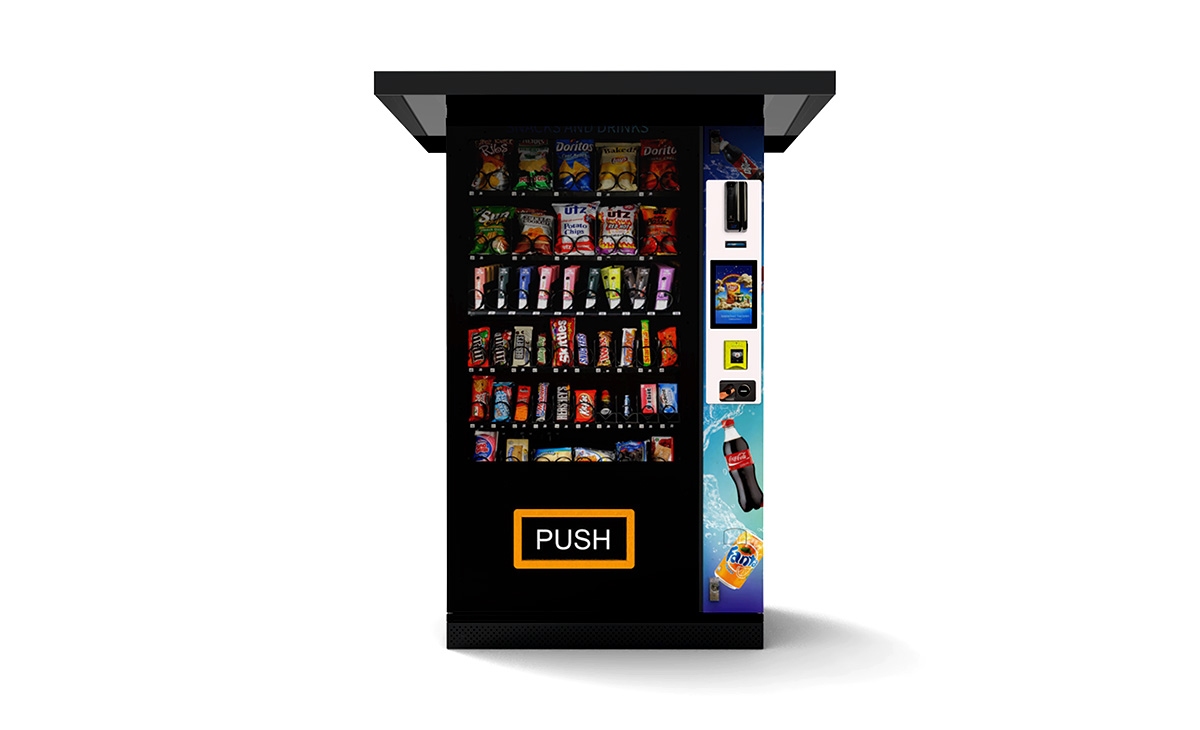
- Combo machines – A mix of snacks and drinks in one unit. Great for locations with limited space.
- Glass-front merchandisers – Allow customers to see products, which increases sales. More expensive but worth it.
- Specialty machines – For items like fresh food, coffee, or personal care products. Requires more maintenance.
I’ve found that glass-front machines consistently outsell traditional spiral machines by 20–30% because customers can see what they’re buying. The initial investment is higher, but the return on investment (ROI) usually justifies it.
Payment Systems and Cashless Options
In 2025, cashless payment is no longer optional. According to a 2023 study by Statista, over 60% of vending machine transactions in the US are made with credit cards or mobile payments. Machines that only accept cash are losing customers. Make sure your machine supports credit/debit cards, Apple Pay, Google Pay, and possibly local payment apps like Twint in Switzerland or iDEAL in the Netherlands.
I’ve seen a machine’s revenue increase by 40% just by upgrading to a cashless system. The upfront cost for a card reader is around $300–$500, but the increased sales pay for it within a few months. Some payment providers also offer telemetry, which lets you monitor sales and inventory remotely—a huge time saver.
Cost Breakdown: What You’ll Really Spend
| Expense Category | Estimated Cost (USD) | Notes |
|---|---|---|
| Machine (new, combo) | $4,000 – $7,000 | Includes warranty and setup |
| Payment system upgrade | $300 – $500 | Cashless reader + installation |
| Initial inventory | $500 – $1,200 | Depends on machine capacity |
| Location deposit/rent | $0 – $500/month | Varies by location |
| Permits and licenses | $100 – $800 | City and state dependent |
| Installation and delivery | $200 – $600 | Includes electrical work if needed |
| Monthly restocking labor | $100 – $400 | If you outsource |
| Annual maintenance | $200 – $600 | Repairs and parts |
Based on my experience, the total initial investment for a single machine in a decent location is between $5,000 and $10,000. Monthly operating costs (restocking, electricity, rent) run about $200–$800. The average break-even period is 12 to 18 months, but I’ve seen machines in high-traffic locations pay for themselves in 8 months.
How to Evaluate a Location’s Profit Potential
I use a simple formula to estimate monthly revenue: daily foot traffic × conversion rate × average transaction value. A typical conversion rate for vending machines is 2–5%, meaning that out of 100 people passing by, 2 to 5 will make a purchase. Average transaction value in the US is around $1.50–$2.50 for snacks and $2.00–$3.50 for drinks.
For example, a hospital waiting area with 500 visitors per day might see 15 purchases (3% conversion) at $2.50 each, which equals $37.50 per day, or about $1,125 per month. After subtracting 20% for rent and 30% for product cost, you’re looking at a gross profit of around $560 per month. That’s a solid machine.
But I’ve also placed machines in locations with 1,000 daily visitors that barely made $200 a month because the audience was mostly children or people in a hurry who didn’t carry cash or cards. Always observe the location for a few hours before signing a contract. Talk to the property manager about the demographics. If possible, run a test with a small machine for a month.
Common Mistakes New Operators Make
I’ve made almost every mistake you can imagine, and I’ve seen hundreds of others do the same. Here are the top five:
- Buying the cheapest machine. Cheap machines often have poor refrigeration, flimsy locks, and unreliable payment systems. You’ll spend more on repairs than you saved on the purchase.
- Ignoring telemetry. Without remote monitoring, you’ll drive to locations only to find the machine empty or broken. Telemetry systems pay for themselves in saved fuel and time.
- Overstocking slow-moving items. I once filled a machine with gourmet chips that nobody bought. Stick to bestsellers: water, soda, candy, and basic snacks. You can experiment later with one or two slots.
- Not cleaning the machine regularly. A dirty machine discourages repeat purchases. Wipe down the exterior and glass weekly, and clean the interior monthly.
- Failing to negotiate location terms. Some property owners will ask for 50% revenue share. Don’t be afraid to walk away. There are always other locations.
Supplier Selection: How to Choose a Manufacturer
Choosing the right supplier is critical. I look for manufacturers that offer at least a two-year warranty, have a local service network, and provide telemetry integration. Avoid companies that only sell through third-party resellers without technical support. I’ve had good experiences with Zhongda Smart because they offer customizable machines, competitive pricing, and responsive customer service. Their machines are compliant with CE and FCC standards, which is important for European and US markets.
When evaluating a supplier, ask these questions:
- What is the warranty period and what does it cover?
- Are spare parts readily available?
- Do they offer remote monitoring software?
- Can the machine be customized with my branding?
- What payment systems are pre-installed?
Read reviews on industry forums like Vending Times or the NAMA website. Don’t rely solely on the supplier’s website testimonials.
Maintenance and Restocking Best Practices
Regular maintenance is the difference between a profitable machine and a money pit. I schedule restocking every 1–2 weeks depending on sales volume. During each visit, I check the temperature, clean the glass, test the payment system, and rotate stock. I also carry a spare parts kit with common fuses, belts, and a replacement card reader.
For vending machine repair, I recommend building a relationship with a local technician before you need one. Many cities have independent repair services that charge $75–$150 per hour. If you’re handy, you can learn basic repairs from YouTube, but leave refrigeration and electrical work to the pros.
One often overlooked aspect is seasonal product rotation. In summer, cold drinks sell better; in winter, hot coffee and snacks. I adjust my product mix every three months based on sales data from my telemetry system. This simple practice increased my annual revenue by about 15%.
Real Data on Vending Machine Revenue and Costs
According to a 2022 report by IBISWorld, the vending machine industry in the US generates approximately $8.5 billion in annual revenue, with an average profit margin of 15–20% for operators. The same report notes that the industry has grown by about 3% annually over the past five years. In Europe, the market is slightly larger due to higher density in urban areas, with countries like Germany, France, and the UK leading in machine placements.
Another study by the European Vending Association (EVA) indicates that the average vending machine in Europe sells about 40 items per day, with an average transaction value of €1.80. That translates to roughly €2,160 per month in gross revenue, with operating costs eating up about 40–50% of that.
I’ve found these numbers to be consistent with my own experience in medium-traffic locations. High-traffic spots like train stations can double or triple those figures, but they also come with higher rent and more competition.
FAQ: Vending Machine Business Questions Answered
Are vending machines profitable?
Yes, but profitability depends heavily on location, product selection, and cost control. A well-placed machine can generate $500–$2,000 per month in gross revenue, with net profit margins of 10–25%. However, many machines in poor locations lose money. It’s not a passive income stream—it requires active management.
How much does a vending machine cost?
A new machine costs between $3,000 and $8,000, depending on size and features. Used machines can be found for $1,000–$2,500, but they often require repairs. Add $500–$1,000 for installation, permits, and initial inventory. Total startup cost for one machine is typically $5,000–$10,000.
How long does it take to break even?
Most operators break even in 12 to 18 months. In high-traffic locations with good margins, you can recoup your investment in 8–10 months. In slow locations, it may take 24 months or more. Track your sales data closely to know when you’re in the black.
Should I buy a new or used machine?
For first-time operators, I recommend new machines. The warranty, reliability, and modern payment systems reduce risk. Used machines can be a good deal if you’re handy with repairs and know what to look for, but they often cost more in the long run.
Where should I place a vending machine?
Look for locations with at least 100–200 daily visitors who have a few minutes to spare. Ideal spots include office break rooms, hospital waiting areas, college dorms, gyms, auto repair shops, and transportation hubs. Avoid locations with existing food service unless you offer something unique.
What permits do I need?
Requirements vary by city and state. At a minimum, you’ll need a business license and a sales tax permit. If you sell food, you may need a health department permit. In the EU, compliance with food safety regulations is mandatory. Check with your local small business office.
How do I choose a vending machine supplier?
Look for suppliers with a strong warranty (2+ years), local service support, and telemetry integration. Read reviews on industry forums and ask for references. Zhongda Smart is one manufacturer I’ve worked with that meets these criteria, but always compare multiple options.
What happens if the machine breaks?
Have a local repair technician on standby. Many issues, like jammed products or card reader failures, can be fixed quickly. For major problems like compressor failure, you may need to replace the machine. Telemetry alerts can help you catch issues early.
How can I reduce restocking costs?
Use telemetry to track inventory in real time so you only visit when needed. Plan efficient routes if you have multiple machines. Consider hiring a part-time restocker if you have more than 5 machines. Also, standardize your product mix to simplify ordering.
Final Thoughts from a Veteran Operator
If there’s one thing I’ve learned over the years, it’s that the vending machine business is not a get-rich-quick scheme. It’s a real business that requires attention to detail, good relationships with location owners, and a willingness to adapt. The machines that succeed are the ones placed in locations where people actually need them, stocked with products they actually want, and maintained regularly.
Start small. Test one machine in a solid location before scaling up. Track every dollar you spend and earn. Learn from your mistakes—I certainly did. And don’t be afraid to walk away from a bad deal, whether it’s a machine that keeps breaking or a location that doesn’t perform. With patience and smart decisions, you can build a profitable vending route that runs efficiently and generates consistent income.
Disclaimer: The revenue and cost figures in this article are based on my personal experience and publicly available industry data. Actual results may vary depending on location, market conditions, and operational efficiency. Always consult with local authorities and financial advisors before making business decisions.