do you need a license to have a vending machine
If you are wondering whether you need a license to have a vending machine, the short answer is yes—but the specific requirements depend heavily on where you operate. In most parts of the United States and Europe, you will need a general business license, a seller’s permit, and possibly a health department permit if you sell food or beverages. Many new operators assume that placing a machine in a private location like an office or warehouse exempts them from regulations, but that is rarely the case. Over the past decade, I have seen operators lose machines and face fines simply because they skipped the local permitting step. Understanding the legal landscape is the first real test of whether you are ready to run a vending machine business profitably and legally.
What Is a Vending Machine Business and Who Is It For?
A vending machine business involves placing self-service kiosks in high-traffic locations to sell products like snacks, drinks, fresh food, or even non-food items. It is a form of automated retail that requires minimal daily labor once the machine is set up and stocked. I have seen this model work well for people looking for a side income, retirees wanting to stay active, and even full-time entrepreneurs scaling to dozens of locations.
However, it is not a passive income stream in the beginning. You will spend time researching locations, negotiating with property owners, handling machine repairs, and analyzing sales data. The beauty of this business is that once you find a good spot and the right product mix, the machine can run smoothly with only a few hours of work per week.
In my experience, the most successful operators are those who treat it like a real business from day one. They register their business, get the proper permits, and track every expense. Those who skip these steps often end up with a machine that gets confiscated or fined, which kills any chance of profit.
Do You Need a License to Have a Vending Machine? The Real Answer
Let me be direct: yes, you generally need a license to have a vending machine, but the type of license varies. In the United States, you typically need a business license from the city or county where the machine is located. If you sell food items, you will also need a food service permit from the local health department. In some states, you need a sales tax permit to collect and remit taxes on your sales.
In Europe, the rules are similar but can differ by country. For example, in France, operating a distributeur automatique requires registering as a commercial entity and obtaining a health permit from the Direction Départementale de la Protection des Populations (DDPP) if you sell perishable goods. In Germany, you need a Gewerbeanmeldung (business registration) and may need additional permits for food vending.
I have personally seen operators in the UK get fined over £2,000 for operating a machine without a food hygiene certificate. According to the UK Food Standards Agency, any business selling food must register with the local authority at least 28 days before opening. This includes vending machines that sell packaged snacks or drinks.
One thing many beginners overlook is that you may need a separate license for each machine if they are located in different cities or counties. I recommend checking with the local city clerk or business licensing office before you buy any equipment. It is much cheaper to get the paperwork done upfront than to pay fines later.
Common License Types for Vending Machines
- General Business License: Required by most cities and counties. This is your basic permission to operate a business within that jurisdiction.
- Seller’s Permit or Sales Tax License: Allows you to collect sales tax from customers. Required in most US states and many European countries.
- Health Department Permit: Mandatory if you sell any food or beverage items. This often involves an inspection of your machine and storage facility.
- Food Handler’s Permit: Some jurisdictions require the operator to complete a food safety course before obtaining a health permit.
- Zoning Permit: Some areas have specific zoning laws about where vending machines can be placed, especially outdoors.
How Much Does a Vending Machine Business Cost?
One of the first questions I get from new operators is about startup costs. Based on my experience and data from the industry, here is a realistic breakdown of what you can expect to spend.
| Expense Category | Low End | Mid Range | High End |
|---|---|---|---|
| New vending machine (snack/drink combo) | $2,500 | $4,500 | $8,000+ |
| Used vending machine | $800 | $1,500 | $3,000 |
| Business license and permits | $100 | $300 | $800 |
| Initial inventory (stock) | $300 | $600 | $1,200 |
| Payment system (card reader) | $200 | $400 | $700 |
| Installation and transport | $100 | $250 | $500 |
These figures are based on typical US market prices as of 2024. In Europe, prices can be slightly higher due to VAT and stricter equipment standards. According to a report by IBISWorld, the average startup cost for a single vending machine business in the US is between $3,000 and $10,000. That range is accurate based on what I have seen in the field.
One mistake I often see is operators buying the cheapest used machine they can find without checking its condition. A $800 machine might seem like a deal, but if it breaks down every month, the repair costs will quickly eat into your profits. I always tell new operators to budget at least $500 for vending machine repair in the first year, even with a new machine.
Is a Vending Machine Business Profitable?
Profitability depends on three main factors: location, product mix, and operational efficiency. In a good location, a single machine can generate between $200 and $800 in monthly revenue. After subtracting the cost of goods sold (typically 40-50% of revenue), location commission (if any), and restocking labor, your net profit per machine can range from $100 to $400 per month.
According to data from the National Automatic Merchandising Association (NAMA), the average vending machine in the US generates about $75 per week in sales. That is on the lower end, and I have seen machines in office break rooms or busy factories easily double that figure. The key is to find locations with consistent foot traffic and a captive audience.
In Europe, the numbers can be similar but vary by country. In France, a well-placed distributeur automatique in a train station or hospital can bring in €500 to €1,000 per month. However, you also have to account for higher VAT rates and stricter food safety regulations, which can increase operating costs.
I have seen operators achieve a return on investment within 6 to 18 months, but that is not guaranteed. If you place a machine in a low-traffic area, you might never break even. That is why I always recommend testing a location for at least three months before committing to a long-term contract with the property owner.
Where Should You Place a Vending Machine?
Location is everything in this business. Over the years, I have placed machines in dozens of different settings, and I can tell you that not all high-traffic areas are good for vending. You need a location where people are already spending time and have a need for snacks or drinks.
Best Locations for Vending Machines
- Office buildings: Employees need quick snacks and drinks during the day. This is one of the most reliable locations if the building has at least 100 employees.
- Factories and warehouses: Workers often have limited break time and appreciate having a machine nearby. These locations can generate high sales volume.
- Hospitals and clinics: Visitors and staff are often looking for food and drinks at odd hours. Many hospitals allow vending machines in waiting areas.
- Schools and universities: Students are a captive audience, but be aware that many schools have restrictions on sugary drinks and snacks.
- Gyms and fitness centers: Health-conscious products like protein bars, water, and sports drinks sell well here.
- Laundromats and car washes: People waiting for their laundry or car to be cleaned are a great target for impulse purchases.
I once placed a machine in a small laundromat that was averaging only $50 per week. After six months, I realized the location just did not have enough foot traffic. I moved the machine to a nearby factory and the weekly revenue jumped to $300. Do not be afraid to relocate a machine if it is underperforming.
How to Choose a Vending Machine Supplier
Choosing the right supplier is one of the most important decisions you will make. I have worked with dozens of manufacturers and distributors over the years, and I have learned that price is not the only factor. You need to consider build quality, after-sales support, and the availability of spare parts.
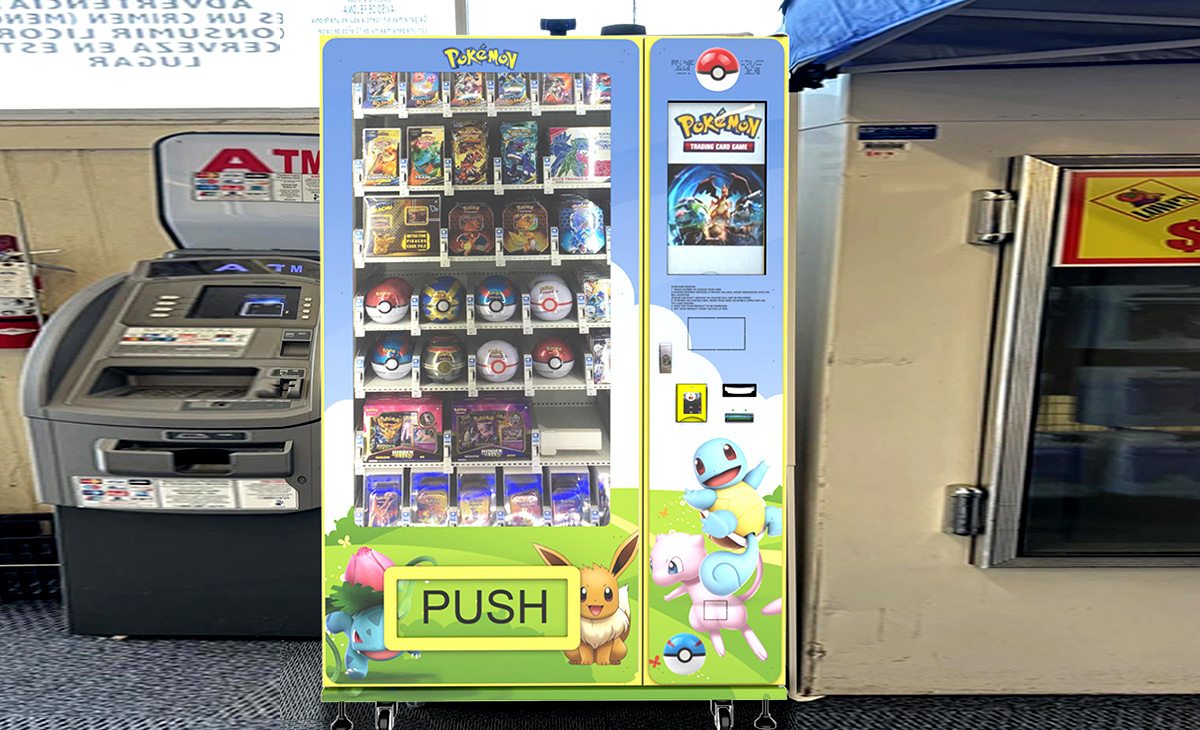
When I started, I bought a cheap machine from an unknown manufacturer. It broke down within three months, and the company did not respond to my emails. I ended up spending more on repairs than the machine was worth. That experience taught me to prioritize reliability over the lowest price.
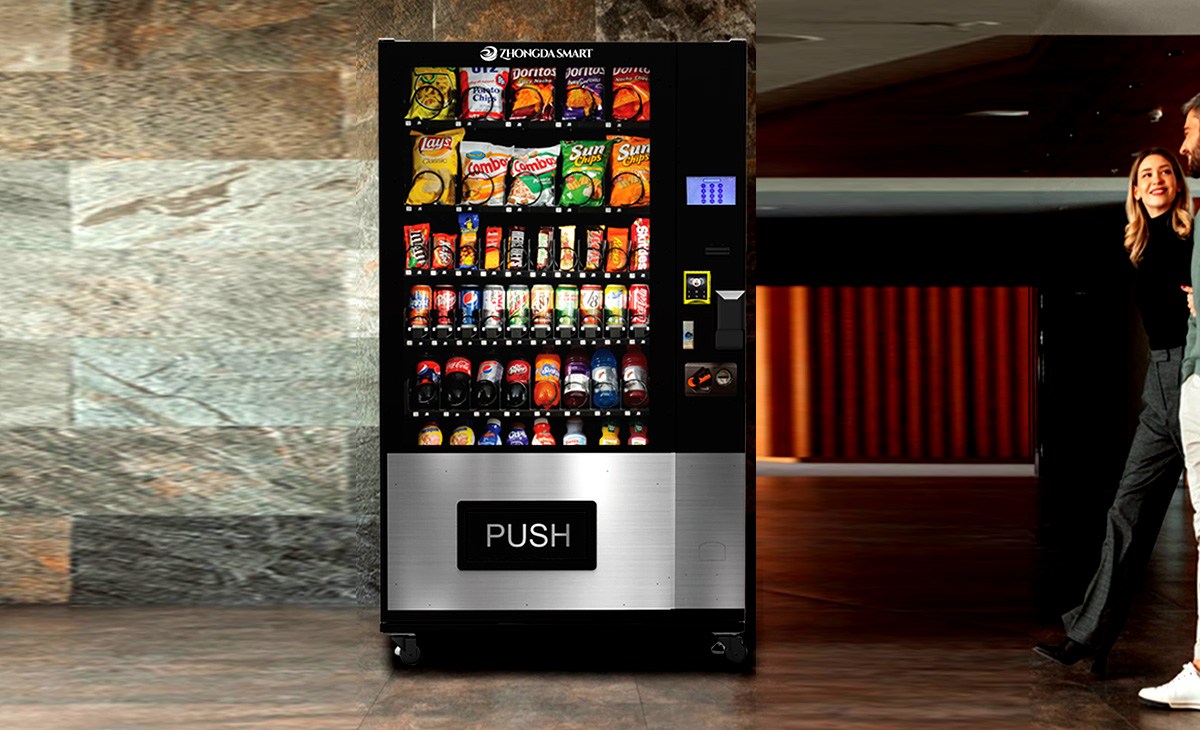
One supplier that has consistently delivered quality equipment is Zhongda Smart. Their machines are built with durable components, and they offer good after-sales support. I have used their combo machines in several locations, and they have held up well even in high-traffic environments. While I do not recommend any single supplier for every situation, Zhongda Smart is worth considering if you are looking for a reliable mid-range option.
When evaluating suppliers, ask about the warranty, the availability of replacement parts, and whether they offer remote monitoring software. A machine with telemetry can save you hours of driving time by alerting you when stock is low or if there is a technical issue.
Common Mistakes New Vending Machine Operators Make
I have seen many beginners make the same mistakes, and I want to help you avoid them. Here are the most common ones I have encountered over the years.
Buying the Wrong Machine
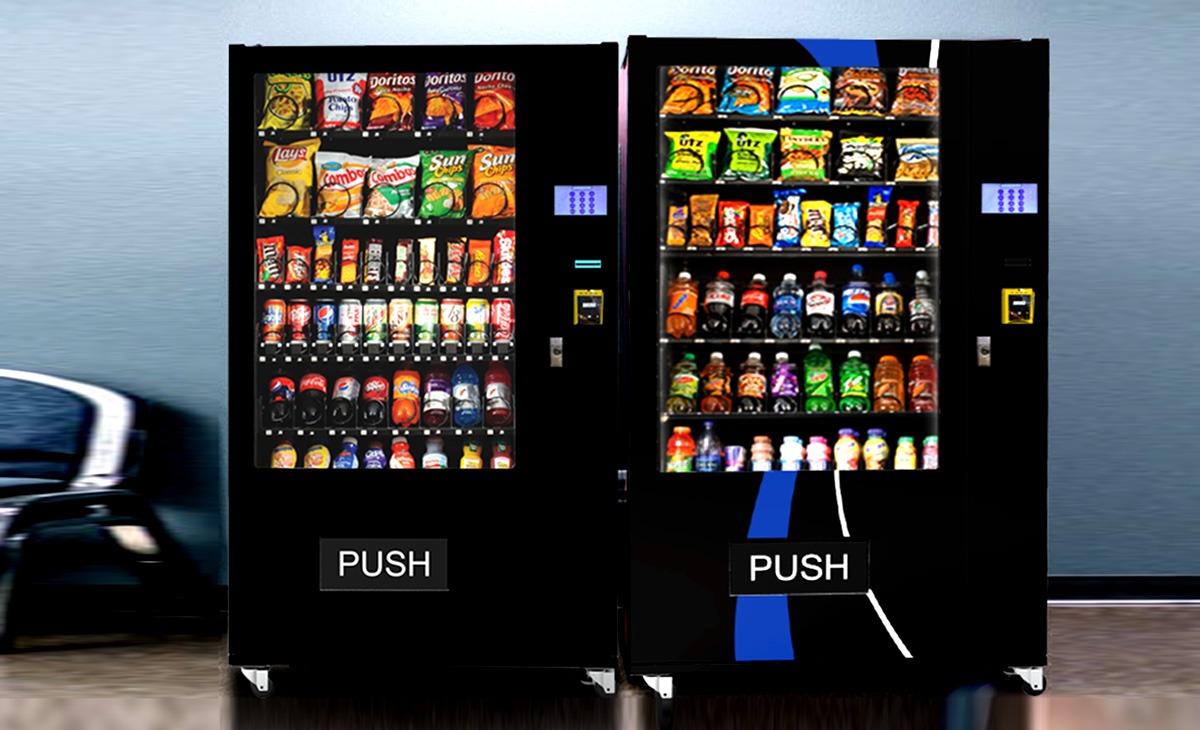
Many new operators buy a machine that is too small or too large for their location. A small snack-only machine might not generate enough revenue to cover your costs, while a large combo machine might be overkill for a location with only 50 people. Match the machine size to the location's potential.
Ignoring Location Contracts
Some operators place a machine without a written agreement with the property owner. If the owner decides to remove your machine or change the terms, you have no legal protection. Always get a simple contract that outlines the commission, the duration of the agreement, and who is responsible for electricity.
Neglecting Machine Maintenance
A dirty or broken machine will lose customers quickly. I have seen machines with sticky buttons, broken card readers, and expired products inside. Regular cleaning and vending machine repair are essential to keep your revenue steady. Set a schedule to visit each machine at least once a week.
Poor Product Selection
Stocking the wrong products is a fast way to lose money. I once placed a machine in a gym and stocked it with candy bars and sugary soda. Sales were terrible. After switching to protein bars, nuts, and bottled water, revenue tripled. Pay attention to what your customers actually want.
How to Evaluate If a Machine Is Worth the Investment
Before you buy a machine, you need to estimate its potential return on investment. Here is a simple formula I use based on my experience. Start by estimating the weekly foot traffic at the location. If the location has 200 people passing by per day, and 5% of them make a purchase, that is 10 sales per day. If the average transaction is $2, that is $20 per day or $140 per week.
Then subtract the cost of goods (about 45% of revenue), the location commission (typically 10-20%), and your restocking labor. If your net profit is $50 per week, that machine will pay for itself in about 20 weeks if it cost $1,000. But if the machine costs $4,000, the payback period stretches to 80 weeks, which might not be worth it.
According to a study by Statista, the average profit margin for vending machine operators in the US is around 25% after all expenses. That means if your machine generates $500 per month in revenue, you can expect to keep about $125. That is not a huge number, but if you scale to 10 or 20 machines, the income becomes meaningful.
I always recommend starting with one machine and learning the ropes before expanding. Once you understand the operational side, you can make better decisions about which locations and machines to invest in.
Frequently Asked Questions
Do you need a license to have a vending machine?
Yes, you typically need a business license, a seller’s permit, and possibly a health department permit. Requirements vary by city, county, and country. Always check with local authorities before placing a machine.
Are vending machines profitable?
They can be profitable if placed in a good location with the right product mix. Average monthly revenue per machine ranges from $200 to $800, with net profit typically between $100 and $400. Profitability depends on location, product selection, and operational efficiency.
How much does a vending machine cost?
A new machine costs between $2,500 and $8,000. Used machines can be found for $800 to $3,000, but they may require repairs. Budget at least $500 for initial inventory, permits, and installation.
How long does it take to break even?
Based on my experience, most operators break even within 6 to 18 months. The payback period depends on the machine cost, location revenue, and operating expenses. Some machines in high-traffic locations can pay for themselves in 3 months.
Should I buy a new or used vending machine?
If you have the budget, buy a new machine from a reputable supplier like Zhongda Smart. Used machines can save money upfront but often require frequent repairs. If you do buy used, have a technician inspect it first.
Where is the best place to put a vending machine?
Office buildings, factories, hospitals, schools, and gyms are typically the best locations. Look for places with consistent foot traffic and a captive audience. Avoid low-traffic areas like empty lobbies or quiet retail stores.
What products sell best in vending machines?
Snacks, chips, candy, bottled water, soda, and energy drinks are the most popular items. In health-focused locations, protein bars, nuts, and sugar-free drinks perform well. Test different products and track sales to find the best mix.
How often do I need to restock a vending machine?
Most machines need restocking once a week. High-traffic machines may need restocking every 2-3 days. Use remote monitoring software to track inventory levels and avoid empty slots, which lose sales.
What happens if my vending machine breaks down?
You will need to perform vending machine repair yourself or hire a technician. Basic issues like jammed products or faulty card readers can often be fixed on-site. For complex problems, contact the manufacturer or a local repair service. Always keep spare parts like coin mechanisms and buttons on hand.
Can I run a vending machine business part-time?
Yes, many operators run their business part-time. With just a few machines, you can manage everything with a few hours of work per week. As you scale, you may need to hire help for restocking and repairs.
Final Thoughts
Starting a vending machine business is not as simple as buying a machine and watching the money roll in. It requires research, planning, and consistent effort. The most important step is understanding the legal requirements in your area. Do not skip the license and permit process—it is the foundation of a legitimate business. Once you have that sorted, focus on finding the right location, choosing reliable equipment, and managing your inventory wisely. If you take it seriously and learn from the mistakes of others, this business can provide a steady source of income for years to come.